
James Hardie Siding Benefits Tampa Bay: Durability and Storm Protection Explained
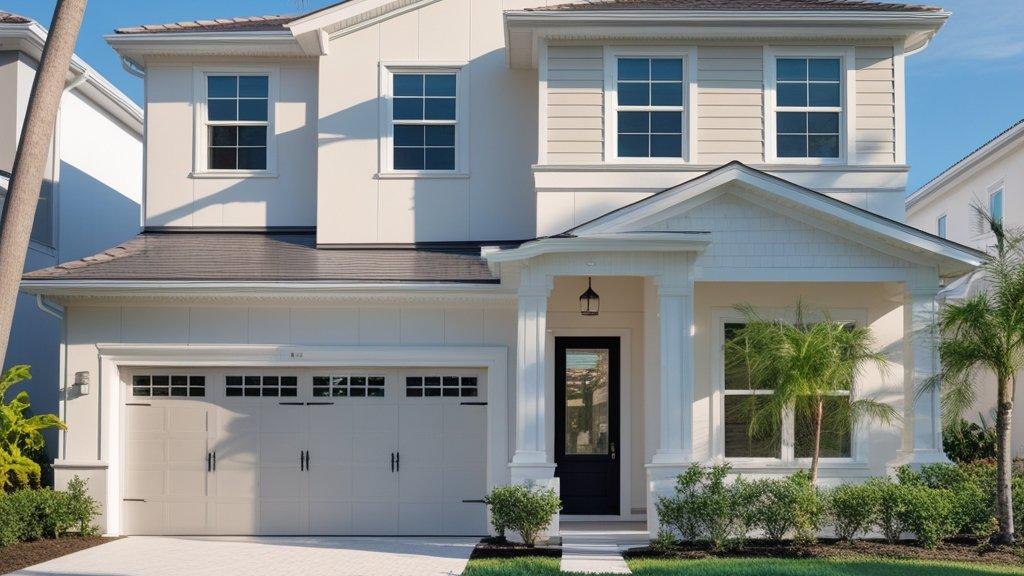
James Hardie Siding Benefits Tampa Bay: Durability and Storm Protection Explained
Living in Tampa Bay means dealing with heat, humidity, heavy rain, and the threat of hurricanes. We recommend James Hardie siding because it handles these exact conditions while keeping its structure and looks.
James Hardie siding benefits Tampa Bay homeowners by delivering durable, low‑maintenance protection that resists moisture, pests, rot, and severe weather common to Florida’s climate. We see it hold up against warping, cracking, and termite damage, so it’s a solid long‑term exterior solution here.
We also like the wide range of colors and profiles. You can match coastal, modern, or traditional styles without losing out on performance.
When installed correctly, it boosts curb appeal and supports long-term value with strong manufacturer backing.
Key Takeaways
- Built to withstand Tampa Bay’s heat, humidity, storms, and pests.
- Offers durable fiber cement construction with flexible style options.
- Provides long-term performance with professional installation and solid warranty coverage.
Key Benefits of James Hardie Siding for Tampa Bay Homes
Tampa Bay homes face intense sun, heavy rain, humidity, and seasonal storms. We choose James Hardie fiber cement siding because it tackles these conditions head-on while cutting down on maintenance and protecting your property’s value.
Superior Durability in Florida’s Climate
Tampa Bay’s climate throws high humidity, salt air, driving rain, and hurricane-force winds at your home. We rely on James Hardie fiber cement siding because it handles these conditions without swelling, rotting, or warping like wood.
Fiber cement siding blends cement, sand, and cellulose fibers. This mix creates a dense, stable material that keeps moisture out and holds paint even under strong UV rays.
James Hardie designs many products for specific climate zones, including Florida’s hot, humid environment. That targeted engineering helps the siding stay strong and look good through storms and long stretches of heat.
For homeowners near the coast, durability really matters. Cement siding stands up to salt air and wind-driven rain better than most vinyl or wood options.
Low Maintenance and Easy Upkeep
We often recommend James Hardie siding to homeowners who want a clean exterior without endless upkeep. Fiber cement siding doesn’t need frequent repainting, sealing, or staining like wood.
Its baked-on ColorPlus® Technology finish resists fading, chipping, and cracking under Tampa’s brutal sun. This helps the exterior keep its color for years with barely any fuss.
Routine maintenance usually means:
- Rinsing with a garden hose to clear dirt and pollen
- Checking caulking and joints now and then
- Cleaning mildew in shady spots if it pops up
Cement siding doesn’t soak up moisture that leads to rot. It also avoids the brittleness that can mess up lower-grade vinyl in high heat.
Fire and Pest Resistance
Florida building codes put a big focus on fire safety, especially in crowded neighborhoods. James Hardie fiber cement siding is noncombustible it won’t ignite when exposed to flame.
That adds a layer of protection wood siding just can’t offer. While siding alone won’t make a home fireproof, it does help slow exterior flame spread.
Termites and other pests are a constant headache in Tampa Bay. Since fiber cement siding doesn’t have any wood, insects can’t use it as food.
This resistance is one of the practical perks we see with James Hardie siding. It cuts down on structural vulnerability and lowers the odds of pest-related repairs.
Long-Term Value and Cost Savings
James Hardie siding usually costs more upfront than basic vinyl. We look at the long-term performance when weighing that investment.
Its durability means fewer repairs from moisture, rot, or storm damage. Lower maintenance needs also mean you’ll spend less on repainting and upkeep over the years.
Homeowners often get added resale appeal thanks to:
- Recognized brand reputation
- Clean, consistent curb appearance
- Proven performance in Florida’s climate
Fiber cement siding strikes a balance of strength, style, and longevity. For many in Tampa Bay, those combined benefits make the initial cost worthwhile and help support long-term property value.
Aesthetic Appeal and Style Options
James Hardie siding gives Tampa Bay homeowners practical durability without boxing them in design-wise. We can boost curb appeal, tailor color and finish choices, and match specific architectural styles from a wide range of Hardie® products.
Enhanced Curb Appeal
We’ve seen new Hardie board siding totally transform a home’s exterior lines and texture. Clean edges, even spacing, and sharp shadow lines create a finished look that stands up to Florida’s sun and rain.
HardiePlank® lap siding is a popular choice for curb appeal. Its horizontal lines make homes look wider and give a balanced, traditional look that fits right in across Tampa Bay.
For more dimension, we’ll use HardieShingle® siding on gables or upper levels. The shingle profile adds texture without the headaches of natural wood upkeep.
We also suggest HardiePanel® vertical siding if you want a more modern vibe. Vertical siding makes homes look taller and adds bold contrast, especially paired with trim boards in a different color.
Custom Colors and Finishes
Color really shapes how a home looks from the street. James Hardie products come in factory-applied finishes that resist fading under Florida’s fierce sun.
We help homeowners pick from a curated palette that works with Tampa Bay’s coastal, suburban, and urban neighborhoods. Lighter neutrals reflect heat, while deeper tones add contrast against white trim.
Available textures include:
- Smooth finishes for a modern look
- Wood-grain textures for a traditional vibe
- Staggered or straight-edge shingle profiles
Since the color gets baked onto the board in controlled conditions, the finish usually outlasts most field-applied paints. That means less repainting and more consistent curb appeal over time.
Versatile Architectural Designs
We match siding profiles to the home’s style instead of forcing a one-size-fits-all solution. Lap siding works for ranch, colonial, and coastal designs you’ll find all over Tampa Bay.
For farmhouse or board-and-batten styles, we install vertical siding like HardiePanel® with batten strips. This gives strong lines and a crisp, structured pattern.
On craftsman-style homes, we often combine HardiePlank lap siding on the main level with HardieShingle accents in the gables. Mixing profiles adds depth without making the façade too busy.
Since these products have matching trims and soffits, we can pull together a unified exterior design. The end result: a cohesive look that brings together durability and strong visual appeal.
Popular James Hardie Siding Products
James Hardie siding comes in different profiles to fit the many architectural styles around Tampa Bay. We often recommend lap, shingle, and vertical options based on your home’s design, exposure to coastal weather , and maintenance goals.
HardiePlank Lap Siding
HardiePlank® lap siding is the most widely installed James Hardie siding in the U.S. We use it on everything from coastal cottages to newer homes, it delivers a clean, horizontal look that suits Florida architecture.
HardiePlank is made from fiber cement, a mix of cement, sand, and cellulose fibers. This blend resists moisture, rot, and pests, which is huge in Tampa Bay’s humid climate. It also holds paint well, especially with factory-applied ColorPlus® finishes.
We install lap siding in different exposures and textures, including smooth and wood-grain. Boards overlap horizontally, shedding water efficiently during our heavy summer rains.
Key advantages we mention:
- Strong resistance to warping and swelling
- Low maintenance compared to wood siding
- Long service life with proper installation and care
For homeowners who want a classic exterior with proven toughness, HardiePlank is hard to beat.
HardieShingle Siding
HardieShingle® siding gives you the look of cedar shingles without the hassle of natural wood. We often use it on gables, accent walls, or full façades for coastal and cottage-style homes in Tampa Bay.
Unlike real wood, HardieShingle doesn’t crack, curl, or rot in our humid, salty air. The fiber cement stands up to Florida’s sun and those seasonal storms.
Homeowners can pick:
- Straight-edge panels for a crisp, uniform look
- Staggered-edge panels for more texture
Panels come in pre-formed sections, which helps with even spacing and quicker installation. We also pair HardieShingle with HardiePlank lap siding for visual contrast without adding high-maintenance materials.
If you want architectural detail but not endless sealing or staining, HardieShingle is a durable alternative.
HardiePanel Vertical Siding
HardiePanel® vertical siding features long, straight boards installed vertically. We recommend it for modern homes, farmhouse designs, and properties that need bold lines to stand out.
Vertical siding creates strong visual height, which works well on two-story homes or accent sections. In Tampa Bay, we often combine HardiePanel with batten strips for a board-and-batten look.
Features include:
- Durable fiber cement core
- Compatibility with ColorPlus factory finishes
- Resistance to moisture and insect damage
We install HardiePanel over a solid framing system and make sure it’s properly flashed and sealed. Its streamlined look appeals to homeowners who want a simpler, more contemporary exterior, while still getting James Hardie’s durability.
Warranty Coverage and Peace of Mind
James Hardie backs its fiber cement products with solid, clearly defined warranties. We count on this coverage to protect our investment and lower long-term risk in Tampa Bay’s tough climate.
30-Year Non-Prorated Warranty
James Hardie siding products come with a 30-year non-prorated warranty on the siding materials. Non-prorated means coverage doesn’t shrink over time during those 30 years.
If you run into a manufacturing defect, the company will repair or replace it according to the warranty. This protection focuses on flaws in the product, not normal wear or installation mistakes.
In Tampa Bay, with all our humidity, wind, and salt air, that peace of mind matters. We know the fiber cement siding is built to handle rot, warping, and pest damage.
The 30-year term also supports long-term home value . When we invest in siding made to last decades, we want written coverage that matches up.
15-Year ColorPlus Technology Warranty
James Hardie also gives a 15-year warranty on its ColorPlus® Technology finishes. This covers the factory-applied color, which gets baked onto the board for consistent sticking power.
The 15-year warranty protects against peeling, cracking, and chipping from manufacturing defects. That’s important in Tampa Bay, where sun and moisture can trash lower-quality finishes fast.
A factory finish usually performs more reliably than field-applied paint. For us, that means fewer repaint cycles and more predictable maintenance costs .
We get a finish designed to hold its color and integrity under Florida conditions, backed by a real warranty, not just a handshake.
James Hardie Siding Installation in Tampa Bay
Proper siding installation in Tampa Bay means sticking closely to manufacturer specs and local building codes. We focus on moisture control , wind resistance, and tight fastening for long-term performance in Florida’s heat, humidity, and storms.
Professional Installation Standards
We install James Hardie siding using the manufacturer’s published guidelines and Florida Building Code rules. This includes correct clearances from grade, roofing, and hard surfaces to keep out moisture and prevent edge damage.
Our team puts in a weather-resistant barrier and flashing at all penetrations, windows, and doors. We use corrosion-resistant fasteners approved for coastal use, since salt air can wreck metal fast in Tampa Bay.
We follow the nailing patterns and spacing for each profile, lap siding, panels, or trim. Proper fastening helps the system stand up to high winds during storms and hurricanes.
We also manage layout and joint placement to control expansion and contraction. When we take on a remodel , we check the sheathing and framing before installation to catch hidden damage and make sure there’s a solid base.
Choosing a Qualified Contractor
We recommend hiring a contractor who’s done plenty of James Hardie siding installs, not just general exterior work. Fiber cement needs specific cutting tools, fastening, and dust control.
Look for contractors who understand Tampa Bay’s climate. They should explain how they handle:
- Moisture management and flashing
- Wind-load requirements
- Proper product storage
- Local permitting
We always suggest verifying licensing and insurance in Florida. Many reputable companies here specialize in fiber cement siding and exterior renovations, and some even participate in manufacturer training programs.
Check out their past projects and ask for a written scope of work. Clear documentation helps avoid gaps and ensures the installation meets both the manufacturer’s standards and local code.
Frequently Asked Questions
Homeowners in Tampa Bay usually want straight answers about durability, cost, maintenance, design options, and storm performance . We do our best to address those points directly so you can weigh fiber cement siding with real-world expectations.
What are the main advantages of fiber cement siding for homes in humid, coastal climates?
Fiber cement siding stands up to rot, warping, and swelling in high humidity. In Tampa Bay, where heat, salt air, and heavy rain are the norm, this stuff just holds its own.
The material mixes cement, sand, and cellulose fibers, which gives it surprising stability. Termites and other wood-loving insects don’t stand much of a chance, either, a huge plus in Florida.
Many fiber cement products are built to handle high winds and wind-driven rain. That makes them a solid pick for hurricane-prone areas.
Unlike regular wood, fiber cement barely absorbs moisture. So, it tends to keep its shape and look for years.
How does fiber cement siding compare to wood siding in total cost over time?
Fiber cement usually costs more at the start than wood siding. Installation sometimes needs special tools and experienced crews, which can bump up the bill.
But over the years, repair and replacement costs usually drop because fiber cement shrugs off rot, bugs, and moisture problems. Wood siding, on the other hand, often needs more frequent fixes or even board swaps, especially in humid places.
Factory-applied finishes on fiber cement can last a long time before repainting becomes necessary. That longer-lasting finish can help cut down on maintenance costs.
What are the potential downsides or maintenance requirements of fiber cement siding?
Fiber cement weighs more than vinyl or wood, so labor and installation costs can climb. Getting the installation right is key, otherwise, moisture can sneak in at seams or flashing.
It’s smart to check things out after big storms. Caulk, flashing, and paint need to stay in good shape to protect the walls.
Fiber cement resists a lot, but it’s not totally maintenance-free. Homeowners should expect to repaint when the finish starts to show its age.
Does fiber cement siding expand and contract, and how are gaps or cracking prevented?
Fiber cement moves less than vinyl but still shifts a little with temperature swings. Installers follow manufacturer guidelines for spacing and fastening to handle this.
Proper nailing, joint flashing, and leaving the right clearances all help keep cracks and moisture at bay. Crews leave small gaps at butt joints and seal them as recommended.
With the right install, the boards stay put and look good through changing seasons.
Which lap siding styles and profiles are available for a modern or traditional exterior look?
Fiber cement lap siding comes in lots of reveal heights and textures. You can go for a smooth profile if you want a crisp, modern vibe, or pick wood-grain for a more classic feel.
Narrow reveals work well for contemporary styles. Wider reveals bring out that classic coastal look.
Some brands even have beaded lap profiles for a bit more historic detail. Color choices? There are plenty, from factory-finished neutrals to custom paints, so you can really play with your home’s exterior style.
Can upgrading to fiber cement siding help reduce homeowners insurance premiums or improve storm resilience?
Some insurers look at impact resistance, fire resistance, and wind ratings when they set premiums. It's best to check with your carrier, since discounts change depending on the policy and provider.
Fiber cement doesn't catch fire easily. It also holds up well in high-wind testing if you install it properly.
In places like Tampa Bay, where storms hit hard, that extra durability can really help your home's exterior stand up to the elements. While you might not always see lower insurance bills, fiber cement's wind and moisture resistance could boost your overall storm resilience.