Deck Building in Tampa: Designed in 3D, Engineered for Florida Weather
Custom wood and composite decks planned for Florida sun, rain, and daily outdoor living. Clean build process, written scope, and a free on-site estimate.

Award Winning Company

Detailed Material Selections

In-House Interior Designers

Kitchen & Bath Showroom
Get a Free Deck Estimate
*Offer Expires 09/30/26
Start with an in-home visit and a detailed TGA 5-Star Estimate.
Get a Free Deck Estimate
*Offer Expires 09/30/26
Start with an in-home visit and a detailed TGA 5-Star Estimate.
Deck Construction in Tampa, Start to Finish
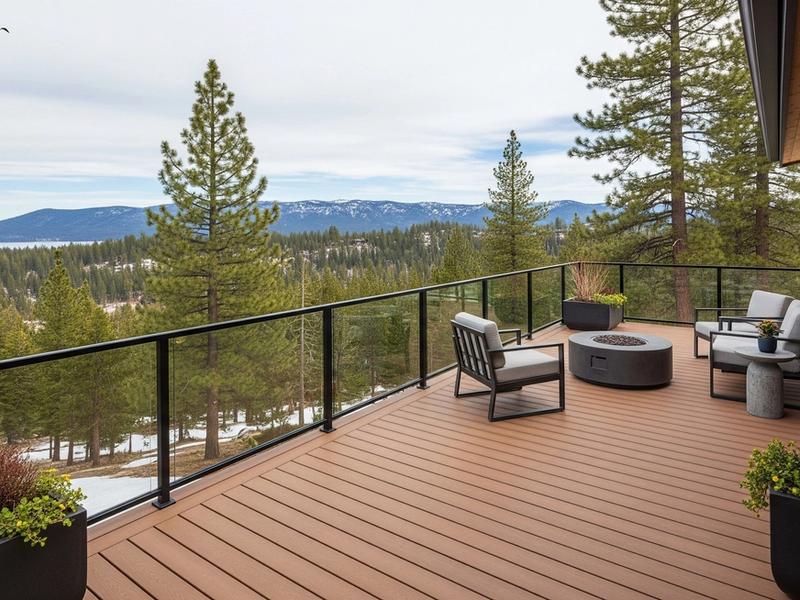

Design + Build Guidance
We help you choose the right layout, materials, and finishes.
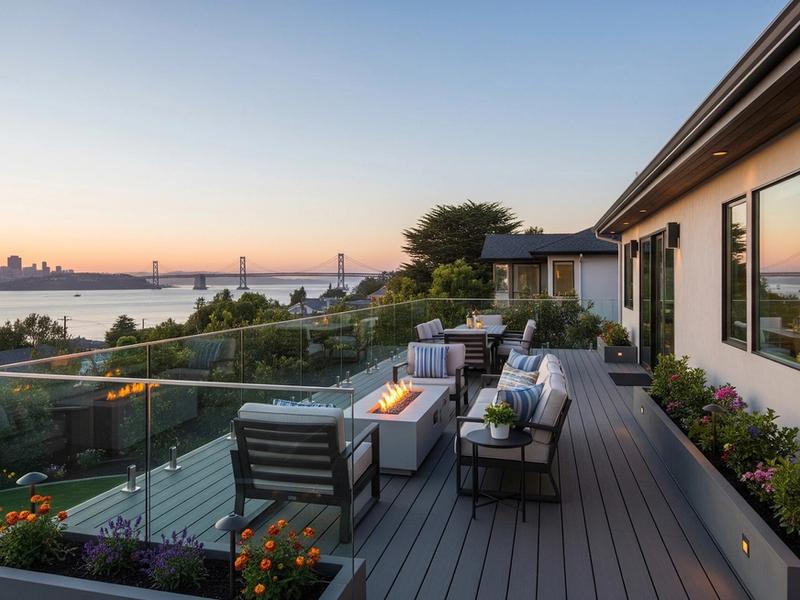

Craftsmanship & Clean Lines
Precise framing, secure fastening, and attention to the details.
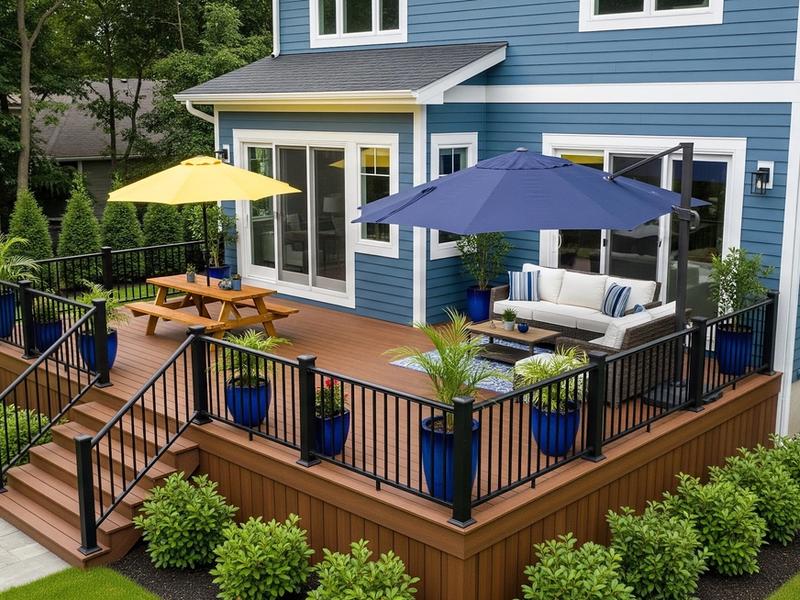

Built for Safety
Solid structure, proper railings, and code-minded construction.
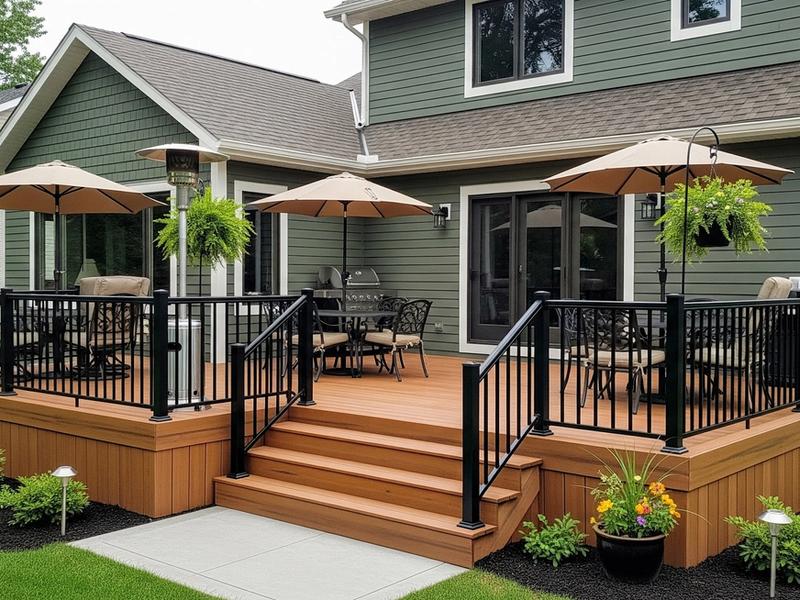

Clear Timelines
Organized scheduling so your project stays predictable.
Our Process Build Around You
Open any project photo
Deck Options for Tampa Homes
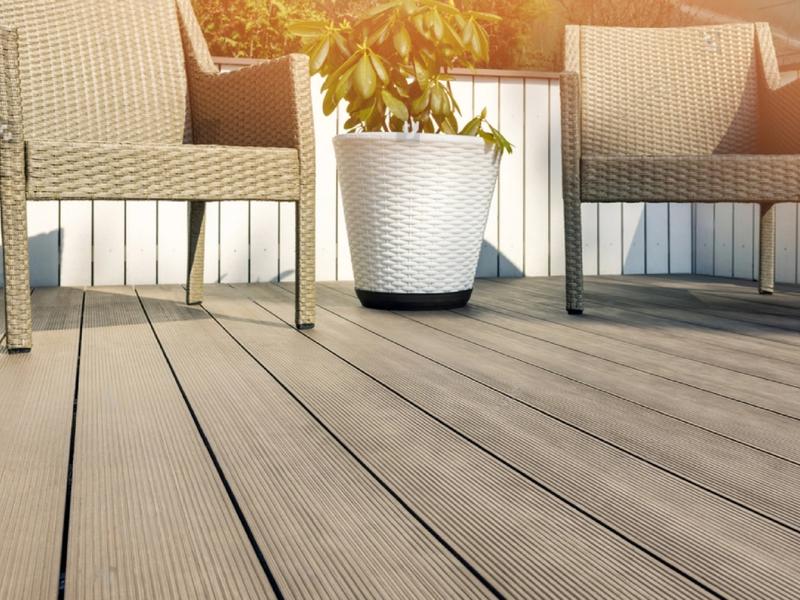
Composite Decks
Low-maintenance, durable materials built for Florida weather.
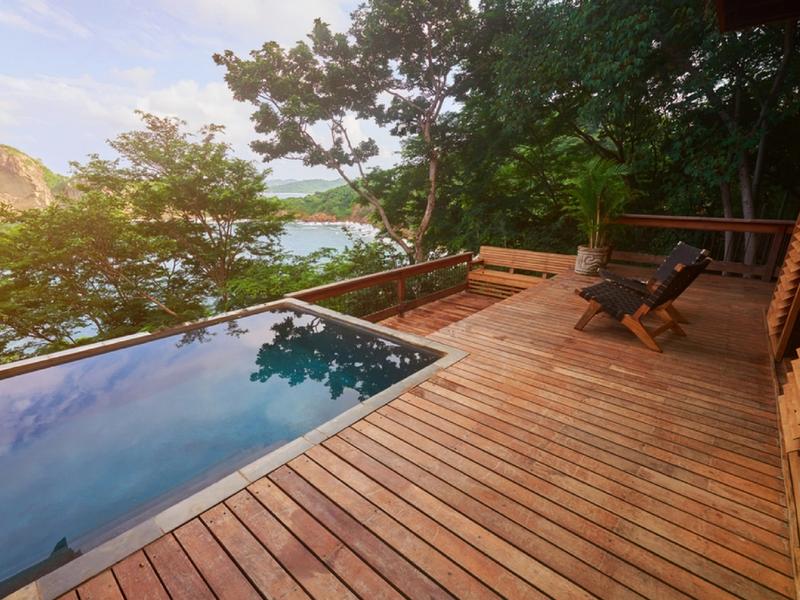
Wood Decks
Classic look with timeless warmth and natural character.
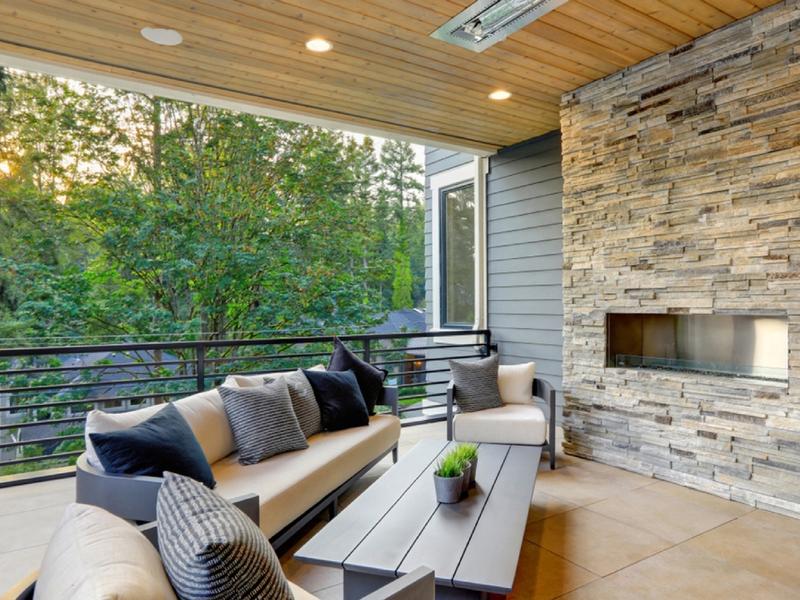
Covered Decks
Add shade and comfort with a roof or covered structure.
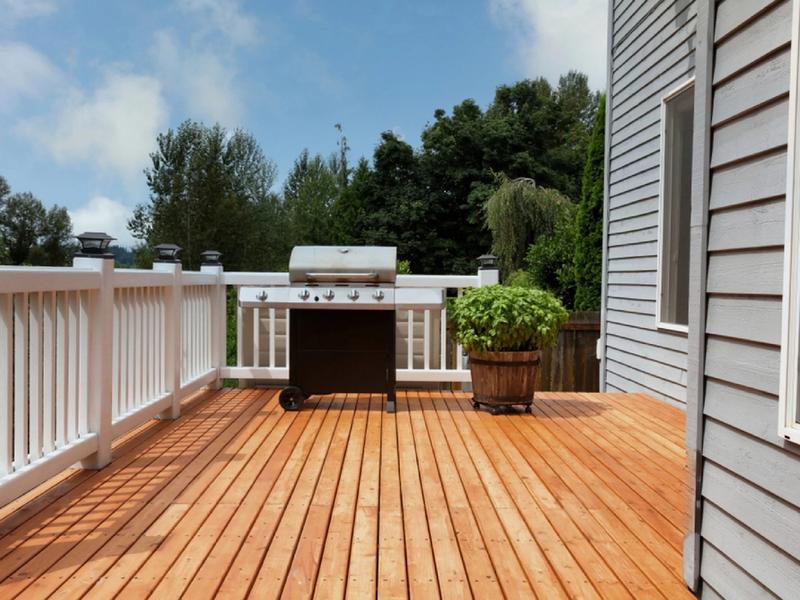
Cedar Decks
Beautiful, naturally resistant wood with a premium feel.
Tampa backyards work a long season. Comfortable outdoor weather runs from October into May here, and a good deck becomes the most-used room in the house. A bad one becomes a maintenance chore by its third summer.
We're TGA Kitchens & Remodeling, a Florida Certified Building Contractor that designs, permits, and builds decks across Tampa Bay. Before we order a single board, you'll walk through your deck in a photorealistic 3D rendering. You approve the exact footprint, railing style, and board color first.
This page gives you straight answers. Which materials actually survive Tampa's sun, humidity, and termites. What decks cost here in 2026. And which permits the City of Tampa and Hillsborough County really require.
We'll also tell you what composite decking doesn't save you. Most deck brochures skip that part.
Composite, Pine, or PVC: Tampa's Sun and Termites Cast the Deciding Vote
Three materials dominate deck building here. Each one answers Florida's climate differently. The right pick depends on your budget, your shade, and your tolerance for upkeep.
Pressure-treated pine: Cheapest to build, most demanding to own
Treated southern yellow pine is still the value play. Modern copper-based treatments resist rot and our subterranean termites, which stay active in Tampa year-round. But every cut end we make gets field-treated with preservative, because termites find the one spot the factory didn't reach.
Florida sun is the bigger enemy. It pulls moisture out of pine fast, so boards cup, check, and fade to gray. Plan on cleaning and resealing every 12 to 24 months. Skip that, and a 15-year deck becomes an 8-year deck.
One detail most homeowners never hear: today's copper treatments corrode ordinary steel screws. We fasten treated pine with hot-dip galvanized or stainless hardware only. Cheap fasteners are why deck boards pop loose by year five.
Capped composite: What it actually saves, and what it doesn't
Capped composite boards, like Trex and TimberTech, wrap a wood-plastic core in a polymer shell. The shell resists fading, staining, and mold, and termites can't digest any of it. That's the real saving: no sanding, no sealing, no board-replacement cycle. You wash it once or twice a year and you're done.
Here's what composite doesn't save. It still gets hot barefoot in July sun, and dark colors get hotter. Lighter boards and newer heat-mitigating lines run noticeably cooler, but shade beats any of them. And unless you pay for a steel frame, the structure underneath is still pressure-treated wood. The frame, not the boards, sets your deck's true lifespan.
PVC and mineral-core boards where salt and water win
Full PVC and mineral-core boards contain no wood at all. There's nothing for moisture to swell and nothing for mold to feed on. They cost the most, and they earn it around pools, canal seawalls, and bayfront homes where salt spray punishes everything else.
Tampa Bay Deck Costs in 2026: Real Ranges, Not Teaser Numbers
Pressure-treated pine runs $35 to $60 per square foot installed in Tampa Bay in 2026. Capped composite runs $55 to $90. Full PVC and mineral-core boards run $75 to $110. Those figures include framing, footings, standard railing, and permitting.
In project terms, a 12-by-16-foot pine deck lands between $7,000 and $11,500. The same footprint in mid-tier composite runs $10,500 to $17,500. Elevated construction, waterfront engineering, and premium railing push totals higher.
What moves your number most
Height is the big one. A deck 30 inches or more above grade needs guardrails, deeper footings, and usually sealed engineering, which adds real money. Railing choice is second; powder-coated aluminum or cable rail can double what a wood rail costs. Stairs, old-deck demolition, and tight side-yard access each add hundreds to a few thousand dollars.
The honest composite math
Composite costs roughly 50 to 70 percent more up front. If you pressure-wash and reseal pine yourself every other year, pine stays cheaper for its whole life. If you'd hire that out at $400 to $800 per visit, composite usually breaks even around year ten. We'll run both numbers for your square footage before you decide.
Two Portals, One Rule: City Decks Go Through Accela, County Decks Through HillsGovHub
Where you live decides where your permit goes. Inside Tampa city limits, deck permits run through the city's Construction Services Division on the Accela Citizen Access portal. That office sits at 2555 E Hanna Ave; the number is (813) 274-3100. In unincorporated Hillsborough, Carrollwood, Westchase, Brandon, Apollo Beach, deck permits go through the HillsGovHub portal instead. County Development Services answers questions at (813) 272-5600.
The trigger is simple. Any deck attached to your house, or elevated off the ground, needs a building permit in both jurisdictions. Some freestanding, ground-hugging platforms fall outside permitting, but we confirm that parcel by parcel rather than assume it.
Once the walking surface sits more than 30 inches above grade, code requires a guardrail, 36 inches minimum for homes. Your submittal needs a site plan showing property lines and setbacks. Elevated decks typically need drawings signed and sealed by a Florida engineer.
Structurally, decks here follow the Florida Building Code, 8th Edition (2023), with wind design under ASCE 7-22. Ultimate design wind speeds across Tampa Bay run roughly 140 to 160 mph. That's why we bolt ledgers, anchor post bases, and add uplift hardware instead of relying on nails. We pull every deck permit under our building contractor license, CBC1268077, and we meet the inspectors ourselves.
Building Near the Water: Canals, Flood Zones, and Salt Air
Plenty of Tampa deck projects sit near water, Davis Islands, Ballast Point, the Westshore canals, Apollo Beach. Water changes three things about how we build.
First, hardware. Salt spray pits standard galvanized coatings within a few years. Anywhere near saltwater, we spec stainless steel fasteners and aluminum or stainless railing components.
Second, flood zones. Much of Tampa's waterfront sits in mapped AE and VE flood zones. Those zones require flood-resistant materials and careful attention to Base Flood Elevation. We size posts and connections so the deck resists surge loads instead of becoming debris.
Third, the seawall. We keep deck structures off the seawall cap, because a deck tied to a failing seawall inherits every one of its problems. And if you're planning past the seawall, over-water docks follow a separate environmental permitting path from an upland deck. We'll tell you where one ends and the other begins.
How a TGA Deck Gets Built: Rendering First, Permit Second, Boards Last
Step one is a design visit. We measure your yard, check grade and drainage, and talk through how you'll actually use the space, dining, grilling, hot tub, pool surround.
Step two is the 3D rendering. You'll see your actual house with the proposed deck on it: true board colors, railing profiles, stair placement. You revise it until it's right. The proposal that follows carries a fixed material list, so there's no allowance roulette later.
Step three is permitting. We prepare the site plan, order engineering if your deck is elevated, and submit through Accela or HillsGovHub. Plan review typically takes two to four weeks depending on jurisdiction and workload. That review, not construction, is usually the long pole in your schedule.
Step four is the build. Most residential decks take one to two weeks on site: footings and inspection, framing and inspection, then decking, railing, and final. Start to finish, plan on six to nine weeks from signed proposal to final inspection in 2026.
Deck Questions Tampa Homeowners Ask Us Most
Do I need a permit for a ground-level deck in Tampa?
If it's attached to the house or raised off grade, yes, in the city and the county alike. A freestanding platform sitting at grade sometimes escapes permitting, but the exemption rules are narrow. We verify with your specific jurisdiction before building anything without a permit.
How hot does composite decking get in the Tampa summer?
Hot enough to matter. Dark composite in full July sun can be uncomfortable barefoot. Lighter colors run cooler, and several 2026 board lines add heat-mitigating technology. Honest answer: plan for shade, because a pergola or umbrella does more than any board chemistry.
Will termites eat a pressure-treated deck?
They can't digest properly treated wood, but Tampa's subterranean termites will still probe it constantly. Risk shows up at untreated cut ends and anywhere wood touches soil. We field-treat every cut and keep structural posts on elevated bases, not buried in dirt.
How long does a wood deck last here compared to composite?
Figure 10 to 15 years for maintained pressure-treated pine in Tampa's climate, less if it's never sealed. Composite boards carry 25- to 50-year warranties. But the frame under composite is usually still treated pine, so the structure sets the real ceiling.
Can you put new boards on my existing deck frame?
Sometimes. We inspect the joists, ledger connection, and posts first. If the frame is sound and spaced correctly for the new boards, a re-deck can save 30 to 40 percent. If the ledger's rusted or the joists are soft, we'll show you why it isn't worth it.
See Your Deck in 3D Before We Drive the First Screw
Every TGA deck starts at our Design Center at 3851 62nd Ave N, Suite A, Pinellas Park, FL 33781. Come handle composite samples, compare railing profiles, and watch your own backyard take shape in 3D. We serve Tampa and all of Hillsborough County from there, and we cross the bay every working day.
Call (727) 800-4050 to schedule a free deck consultation. Bring photos of your yard and a rough size in mind. We'll bring the honest numbers, pine and composite, side by side, and a design you can actually see before you commit.

Project Credentials
Certifications
TGA Kitchens & Remodeling is licensed and insured for residential remodeling work, with local project coordination and clear accountability from estimate through completion.


Verified Across
Eight Trusted Sources








250+ Verified Homeowners
Free Deck Estimate
Safety • Comfort • Accessibility
Decking Quick Facts
- Typical cost: $40-$85 per square foot
- Timeline: 1-3 weeks including permits
- Materials: Composite and pressure-treated
- Permits: Hillsborough County handled for you
- License: Florida CBC1268077
Financing Specials
Build now. Pay over time.
Our home improvement payment options help you create your dream home.
Special Offer
LOW APR for 12 Months*
on qualified projects
Apply Online
2-minute form
Get Approved
Quick decision
Build Your Dream
Pay over time
*Subject to credit approval. Ask for details.
Brands We Work With