
Vinyl Siding Installation Costs and Benefits for Homeowners in 2026
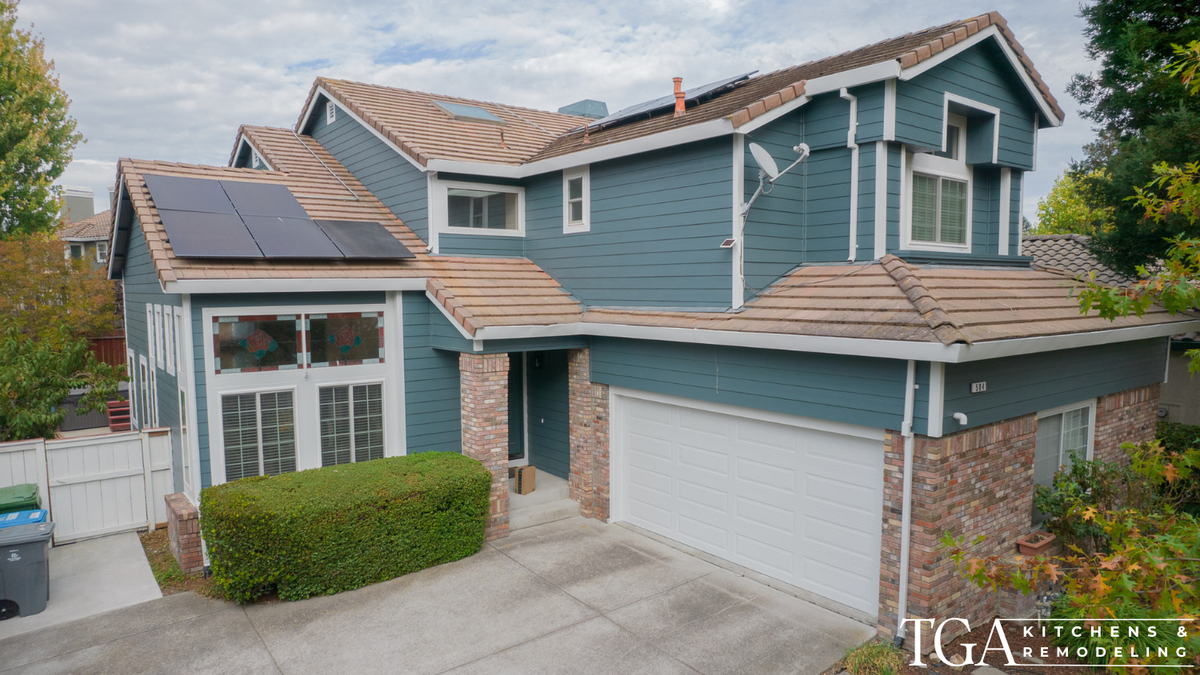
Vinyl siding has become the most popular exterior cladding option for American homes, and understanding what it offers can help you make an informed decision about your home's exterior. This manufactured material provides an affordable alternative to traditional wood siding while delivering durability and low maintenance requirements that appeal to homeowners across the country.
Vinyl siding is a plastic-based exterior cladding material engineered to replicate the appearance of natural wood while offering superior weather resistance and requiring minimal upkeep. The material comes in numerous styles, colors, and textures that allow you to achieve various aesthetic goals for your property.
Your choice of exterior siding affects both your home's curb appeal and your long-term maintenance responsibilities. This guide covers everything you need to know about vinyl siding, from material composition and installation methods to cost considerations and how it compares to alternative siding options.
What Is Vinyl Siding?
Vinyl siding is a plastic exterior cladding made from polyvinyl chloride (PVC) resin that protects and decorates residential buildings. It mimics the appearance of traditional wood siding while offering distinct advantages in durability and maintenance requirements.
Definition and Overview
Vinyl siding is an engineered plastic material designed specifically for exterior home cladding. The primary component is polyvinyl chloride (PVC) resin, which manufacturers form into panels that replicate the look of wood clapboard, board and batten, or shakes.
You'll find vinyl siding on houses and small apartment buildings throughout North America. The material serves two main purposes: weatherproofing your home's exterior and providing aesthetic appeal. Unlike natural wood, vinyl doesn't require painting or staining to maintain its appearance.
The siding comes in various profiles, textures, and colors. You can choose from horizontal or vertical panel orientations depending on your architectural preferences. Most vinyl siding products include interlocking edges that connect panels together during installation.
History and Evolution
Manufacturers introduced vinyl siding in the late 1950s as an alternative to traditional exterior materials. The early versions had limited color options and durability issues that gave the product a mixed reputation.
Throughout the 1960s and 1970s, improvements in manufacturing processes and material formulations addressed initial quality concerns. By the 1980s, vinyl siding had gained significant market acceptance in residential construction.
Modern vinyl siding bears little resemblance to its earliest versions. Today's products feature enhanced UV resistance, improved color retention, and greater impact resistance. The material has become the most common siding choice in America due to decades of refinement and cost-effectiveness.
How Vinyl Siding Is Made
The manufacturing process begins with PVC resin, which arrives at factories as a powder or pellet. Manufacturers blend the resin with additives including stabilizers, colorants, impact modifiers, and lubricants.
The mixture goes through an extrusion process where heat and pressure melt the components together. Machines force the molten material through shaped dies that form the profile of the siding panel. Rollers emboss texture patterns onto the surface to create wood-grain effects or other finishes.
As the panels cool, cutting machines trim them to standard lengths, typically ranging from 12 to 16 feet. Quality control systems check dimensions, color consistency, and structural integrity before packaging.
Benefits of Vinyl Siding
Vinyl siding offers homeowners a practical combination of affordability, minimal upkeep, and long-term performance. These advantages make it a popular choice for residential exteriors across various climates and architectural styles.
Durability and Longevity
Vinyl siding withstands harsh weather conditions without deteriorating like traditional materials. It resists moisture penetration, which means you won't face issues with rot, warping, or fungal growth that commonly affect wood siding.
The material holds up against impact damage and won't crack under normal conditions. Modern vinyl formulations include UV inhibitors that prevent fading and brittleness from sun exposure.
You can expect vinyl siding to last 20 to 40 years depending on quality and installation. It doesn't attract insects like termites or carpenter ants, eliminating a major concern for homeowners in areas prone to pest infestations.
Key durability features include:
- Resistance to moisture and humidity
- Protection against insect damage
- UV-resistant formulations
- Impact resistance for typical weather events
Low Maintenance Requirements
You won't need to paint or stain vinyl siding, which eliminates a recurring expense and time commitment. Cleaning requires only soap, water, and a garden hose or soft brush to remove dirt and debris.
The material doesn't need scraping, sanding, or priming like wood alternatives. You can maintain your home's exterior appearance with an annual or semi-annual washing, depending on your environment and exposure to dust or pollen.
Individual panels can be replaced if damage occurs without affecting surrounding sections. This modular nature simplifies repairs and keeps maintenance costs predictable over time.
Energy Efficiency
Insulated vinyl siding options include foam backing that improves your home's thermal performance. This additional layer reduces heat transfer through exterior walls, helping maintain consistent indoor temperatures.
You may see reduced heating and cooling costs with properly installed insulated vinyl siding. The material creates a continuous barrier that minimizes air infiltration when combined with appropriate house wrap and installation techniques.
Standard vinyl siding provides some insulation value, though insulated versions offer R-values ranging from R-2 to R-5. Your energy savings will vary based on climate, home size, and existing insulation levels.
Cost-Effectiveness
Vinyl siding costs less than fiber cement, brick, or stone veneer both for materials and installation. Your initial investment typically ranges from $3 to $12 per square foot installed, depending on style and quality grade.
The combination of low purchase price and minimal maintenance requirements creates long-term savings. You won't spend money on periodic painting, staining, or extensive repairs that other siding materials demand.
Your property value benefits from fresh vinyl siding through improved curb appeal and exterior protection. The material's longevity means you won't face replacement costs for decades, making it a sound financial choice for budget-conscious homeowners.
Types of Vinyl Siding
Vinyl siding comes in distinct styles that mimic traditional wood profiles, each creating different shadow lines and visual textures on your home's exterior. The four main categories, clapboard, Dutch lap, board and batten, and shake, offer varying levels of depth and character to suit different architectural preferences.
Clapboard
Clapboard represents the most traditional and widely installed vinyl siding style. This horizontal profile features smooth, flat panels that overlap slightly, creating clean lines across your home's exterior.
The design mimics classic wood clapboard that has been used on American homes for centuries. Each panel is typically 4 to 6 inches wide, though widths can vary based on manufacturer specifications and your aesthetic preferences.
Clapboard vinyl siding works well with virtually any architectural style, from colonial to contemporary homes. The simple profile keeps costs lower compared to more complex styles, making it an economical choice for budget-conscious projects.
Installation is straightforward due to the simple design, which can reduce labor costs. The flat surface also makes maintenance easier since dirt and debris have fewer places to accumulate compared to textured options.
Dutch Lap
Dutch lap siding features a decorative groove or notch along the top edge of each panel. This curved indent creates a distinct shadow line that adds dimensional interest to your home's facade.
The style originated from European building traditions and gained popularity in early American architecture. Modern vinyl versions replicate this historic look while providing contemporary durability and low maintenance requirements.
The shadow line produced by the groove becomes more pronounced in direct sunlight, emphasizing the horizontal lines of your home. This added depth makes Dutch lap slightly more visually interesting than standard clapboard without significantly increasing costs.
Dutch lap typically costs 10 to 20 percent more than basic clapboard due to the additional manufacturing complexity. The textured profile can trap slightly more dirt than flat clapboard, though cleaning remains simple with a garden hose and occasional light scrubbing.
Board and Batten
Board and batten creates a vertical appearance using wide panels (boards) separated by narrow strips (battens). This style delivers a distinctly rustic or farmhouse aesthetic that contrasts with traditional horizontal siding patterns.
The vertical orientation can make your home appear taller and works particularly well on gables, accent walls, or mixed with horizontal siding for visual contrast. Each board typically measures 7 to 12 inches wide, with battens covering the seams between panels.
Key characteristics include:
- Strong vertical lines that draw the eye upward
- Enhanced architectural interest when combined with horizontal profiles
- Particularly suited to barn-style, modern farmhouse, or craftsman homes
Board and batten vinyl costs roughly 15 to 25 percent more than standard clapboard. Installation requires more precision to maintain consistent vertical alignment, which can increase labor time and overall project expenses.
Shake and Shingle
Shake and shingle vinyl replicates the appearance of natural wood shakes or cedar shingles. This style features textured, irregular surfaces that mimic hand-split wood, creating substantial visual depth and character.
Individual pieces are designed to look like staggered wood shakes with varied grain patterns and shadow lines. High-quality options include detailed embossing that closely resembles authentic cedar texture, though less expensive versions may appear more uniform and artificial.
Shake siding works exceptionally well as an accent on gables, upper stories, or specific architectural features rather than covering entire homes. The heavy texture provides cottage, coastal, or craftsman-style homes with authentic character.
This style represents the most expensive vinyl option, typically costing 25 to 40 percent more than basic clapboard. The deep texture and multiple contours require more material and complex installation techniques, contributing to higher overall costs.
Design and Color Options
Vinyl siding manufacturers offer extensive design flexibility through color palettes, surface textures, and profile styles. These choices allow you to customize your home's exterior to match specific architectural requirements and personal preferences.
Available Colors
Vinyl siding comes in a spectrum ranging from classic neutrals to bold contemporary shades. The most common colors include whites, beiges, grays, browns, greens, and blues in both warm and cool tones.
Light colors remain the most popular choice because they reflect heat and resist fading in sunny climates. These shades include soft whites, cream, light gray, and pale tan. Darker options like charcoal, deep navy, and rich brown have become increasingly available as manufacturing technology improves fade resistance.
Benjamin Moore offers 75 vinyl-safe paint colors if you want to refresh existing siding. When selecting colors, consider your home's fixed elements like brick, stone, and roofing materials. Your choice should complement these permanent features rather than clash with them.
Regional preferences often influence color selection. Coastal areas favor lighter, cooler tones, while mountain regions may lean toward earthy browns and greens. Your climate matters too, intense sun exposure can cause darker colors to fade more quickly than lighter alternatives.
Texture and Finish Choices
Vinyl siding offers various textures that mimic natural materials. Wood grain patterns are the most common, replicating the appearance of traditional horizontal lap siding. Smooth finishes provide a cleaner, more modern look.
You can choose from different profile depths that create shadow lines and dimensional interest. Deeper profiles produce more pronounced shadows, giving your exterior greater visual depth. Some products feature hand-split shake or cedar shingle textures for a rustic aesthetic.
Matte and satin finishes are standard, though some manufacturers offer slight sheen variations. These surface treatments affect how light reflects off your siding and can influence color perception throughout the day.
Matching Architectural Styles
Victorian homes suit bolder color combinations with contrasting trim colors. These designs benefit from multiple complementary shades that highlight architectural details like gables and decorative elements.
Modern minimalist homes work best with neutral palettes, grays, whites, and blacks create clean lines. Ranch-style houses are versatile and accommodate both traditional earth tones and contemporary colors.
Colonial architecture pairs well with classic combinations like white siding with black or navy shutters. Craftsman-style homes look authentic in natural tones such as sage green, warm brown, or taupe. Cape Cod designs traditionally feature lighter colors like white, cream, or soft gray to reflect their coastal heritage.
Installation Process
Installing vinyl siding requires careful planning, the right equipment, and attention to detail throughout each phase. Success depends on proper surface preparation, following manufacturer guidelines, and avoiding shortcuts that compromise the final result.
Preparation and Tools
You need to gather essential materials before starting your installation. This includes the vinyl siding panels, J-channel, corner posts, starter strips, trim pieces, and finish accessories.
Your tool list should include a utility knife, circular saw with a fine-tooth blade, tin snips, hammer, level, tape measure, chalk line, and a zip tool for panel removal. A square and power drill will help with precise cuts and fastening.
Prepare the exterior walls by removing old siding, repairing damaged sheathing, and installing house wrap for moisture protection. The surface must be flat and structurally sound. Check that all existing trim around windows and doors is secure and level.
Measure your walls carefully to calculate material quantities. Add 10% extra for waste and cuts. Inspect the house for areas needing special attention like electrical outlets, exterior fixtures, and vents.
Steps for Proper Installation
Start by installing the starter strip level along the bottom of the wall, positioned 1/4 inch above the lowest point. This provides a secure base for the first row of panels.
Install corner posts and J-channel around windows, doors, and other openings. Leave a 1/4-inch gap at the top for expansion. The corner posts should extend slightly above the eaves.
Panel Installation Guidelines:
- Hang panels loosely on nails, never nail them tight
- Center nails in the slots to allow for expansion
- Overlap horizontal seams by 1 inch
- Maintain 1/4-inch gaps at all vertical edges
Lock each panel into the one below by engaging the bottom lock and snapping it into place. Work from bottom to top, one row at a time. Never pull panels tight during installation.
Common Installation Mistakes
Driving nails too tight restricts natural expansion and contraction, causing panels to buckle or warp. Leave 1/32 inch between the nail head and the siding surface.
Failing to account for thermal expansion leads to warping during temperature changes. Vinyl expands and contracts significantly, so proper spacing at corners and trim is necessary.
Cutting panels incorrectly or forcing them into tight spaces damages the material. Use proper cutting tools and techniques for clean edges. Never bend or flex panels excessively during installation, as this weakens the material structure.
Installing siding over damaged or uneven surfaces creates visible ripples and compromises weather resistance. Face-nailing through the panel surface instead of through the nailing hem creates weak points and voids the warranty.
Maintenance and Cleaning
Vinyl siding requires regular cleaning to maintain its appearance and prevent buildup of dirt, grime, and organic growth. Simple maintenance tasks and prompt attention to minor issues will extend the life of your siding and keep your home looking well-maintained.
Routine Cleaning Methods
You should clean your vinyl siding at least once or twice per year to remove accumulated dirt and prevent staining. Mix a solution of water with mild dish soap or laundry detergent, using about 1/3 cup of cleaner per gallon of water.
Apply the cleaning solution from bottom to top using a soft-bristle brush or a long-handled car washing brush. Scrub in circular motions to loosen dirt without damaging the surface. Rinse thoroughly from top to bottom with a garden hose to prevent streaking.
For tougher stains, you can use a mixture of 70% water and 30% white vinegar. Avoid using abrasive cleaners, undiluted bleach, or high-pressure washers above 1,300 PSI, as these can damage the siding or force water behind the panels. If you choose to use a pressure washer, keep the nozzle at least 12 inches from the surface and spray at a downward angle.
Preventing Mold and Mildew
Mold and mildew thrive in damp, shaded areas of your home's exterior, particularly on north-facing walls or sections blocked by trees and shrubs. Trim vegetation at least 12 inches away from your siding to improve air circulation and reduce moisture retention.
Clean mold and mildew promptly when you notice them using a solution of one part bleach to four parts water. Apply the mixture to affected areas, let it sit for 10-15 minutes, then scrub gently and rinse completely. Wear protective gloves and eyewear when working with bleach solutions.
Regular inspections help you catch mold growth early before it spreads. Check your siding every few months, especially after prolonged wet weather. Ensure your gutters and downspouts direct water away from your home's foundation to minimize moisture exposure.
Repairing Minor Damage
Small cracks and holes in vinyl siding can be repaired with exterior-grade caulk that matches your siding color. Clean the damaged area thoroughly before applying caulk, and smooth it with a putty knife for a seamless finish.
Replace individual damaged panels by unlocking them from adjacent pieces using a zip tool, which you can purchase at most hardware stores. Work during moderate temperatures between 50-70°F, as vinyl becomes brittle in cold weather and overly flexible in heat.
Loose panels should be re-secured by checking the nails and ensuring they're centered in the nail slots with 1/32 inch of play for expansion and contraction. Never nail the siding too tightly, as this restricts natural movement and can cause buckling or warping.
Cost Factors
The total expense for vinyl siding involves three main components: the materials themselves, professional installation, and the financial benefits you'll see over time. Each element plays a distinct role in determining your project budget.
Material Costs
Vinyl siding materials range from $4 to $12 per square foot, with the average falling between $6 and $8. The price depends primarily on the quality grade you select. Builder-grade vinyl sits at the lower end, while premium options with enhanced thickness and better warranties cost more.
Standard horizontal lap siding costs less than specialty profiles like board and batten or vertical panels. You'll also pay different amounts based on texture and finish. Basic smooth finishes are the most affordable, while options that mimic wood grain or cedar shake add to the material cost.
Brand selection impacts your budget as well. National manufacturers offer products at various price points, with some including features like fade resistance or impact protection. Your home's exterior square footage determines total material quantity, with most homes requiring between 1,500 and 2,100 square feet of coverage.
Installation Labor
Professional installation typically accounts for 50-60% of your total project cost. Labor rates vary significantly by location, with urban areas and regions with higher living costs charging more per square foot. Most contractors charge $3 to $7 per square foot for installation alone.
Your home's architectural complexity affects labor costs directly. Multi-story homes require additional equipment and safety measures. Homes with numerous corners, windows, and trim details take longer to side properly, increasing labor hours.
Removing existing siding adds $1 to $3 per square foot to labor costs. Your contractor may also need to repair or replace damaged sheathing before installing new siding. Complex trim work around doors, windows, and architectural features requires more time and expertise, which reflects in the final bill.
Long-Term Value
Vinyl siding delivers consistent savings through minimal maintenance requirements. You won't need to paint, stain, or seal the material, eliminating costs that wood or fiber cement siding demand every few years. Basic cleaning with soap and water keeps vinyl looking fresh.
Energy-efficient vinyl siding with insulated backing reduces heating and cooling expenses. The insulation layer adds R-value to your exterior walls, though it increases initial material costs by $2 to $4 per square foot.
Quality vinyl siding lasts 20-40 years with proper installation. This durability means you avoid replacement costs that cheaper alternatives require. Home resale value typically increases, with vinyl siding projects recouping 70-80% of installation costs.
Comparing Vinyl Siding to Other Materials
Vinyl siding costs between $3 and $8 per square foot installed, making it one of the most affordable exterior cladding options. It requires minimal maintenance and offers a wide range of colors and styles, though it differs from wood, fiber cement, and aluminum in terms of durability, appearance, and performance.
Vinyl vs Wood Siding
Wood siding delivers authentic natural beauty and can be painted in any color you desire. It costs between $6 and $12 per square foot, making it notably more expensive than vinyl. Wood requires regular maintenance including painting, staining, and sealing every few years to prevent rot, insect damage, and weathering.
Vinyl resists moisture and pests without additional treatment. You can clean it with a simple garden hose spray, while wood demands ongoing attention to maintain its appearance and structural integrity. Wood siding provides better insulation value and can last 20-40 years with proper care, but vinyl typically lasts 20-30 years with virtually no maintenance required.
The natural texture and grain of wood cannot be perfectly replicated by vinyl. However, modern vinyl products offer convincing wood-look profiles at a fraction of the cost and maintenance burden.
Vinyl vs Fiber Cement Siding
Fiber cement costs between $8 and $13 per square foot installed, making it significantly more expensive than vinyl upfront. Fiber cement siding offers superior durability and can withstand severe weather conditions, fire, and impact better than vinyl. It resists warping, cracking, and fading more effectively over time.
You'll need to repaint fiber cement every 10-15 years to maintain its appearance. Vinyl never requires painting but may fade gradually in direct sunlight. Fiber cement is heavier and requires professional installation, which increases labor costs compared to vinyl's lighter weight and easier installation process.
Fiber cement provides better fire resistance and holds up well in extreme temperatures. It won't melt or warp in intense heat like vinyl can. Both materials resist insects and rot, but fiber cement offers a more rigid, substantial feel that many homeowners prefer for its authentic appearance.
Vinyl vs Aluminum Siding
Aluminum siding was popular before vinyl became widely available. It costs roughly the same as vinyl but dents easily from hail, impacts, or pressure. Once dented, aluminum cannot be easily repaired and maintains visible damage permanently.
Vinyl is more flexible and resistant to minor impacts. It won't dent but can crack in extremely cold temperatures if struck. Aluminum conducts heat and cold, making it less energy-efficient than vinyl's insulating properties. Both materials resist fire well, though aluminum is completely non-combustible.
Aluminum requires repainting every 5-10 years as its factory finish fades and chalks over time. Vinyl maintains its color without repainting, though both materials can fade gradually with sun exposure. Aluminum is recyclable at the end of its life, while vinyl recycling options remain limited in most areas.
Environmental Impact
Vinyl siding presents both environmental advantages and challenges throughout its lifecycle. The material's recyclability and overall sustainability involve considerations from manufacturing through disposal.
Recyclability
Vinyl siding is recyclable, though the actual recycling rate remains limited by infrastructure availability. The material consists of polyvinyl chloride (PVC), which can be reprocessed into new products when proper recycling facilities exist.
Manufacturing scraps and post-industrial waste from vinyl siding production are commonly recycled back into new siding or other PVC products. However, post-consumer recycling proves more challenging. When you replace old vinyl siding, you'll need to locate specialized recycling facilities that accept PVC materials.
Some manufacturers now participate in take-back programs or use recycled content in their products. The recycling process reduces the need for virgin materials and decreases landfill waste. You should check with local recycling centers or your siding manufacturer about available recycling options in your area before disposal.
Sustainability Considerations
Vinyl siding production relies on fossil fuels and releases greenhouse gases during manufacturing. The process involves energy-intensive operations and can emit harmful chemicals into the environment.
Despite manufacturing concerns, studies show vinyl siding performs well in lifecycle assessments. A Building for Environmental and Economic Sustainability (BEES) study found vinyl siding achieved better Environmental Impact Scores compared to wood cedar board, fiber cement, and brick alternatives.
The material's durability contributes to its sustainability profile. You can expect vinyl siding to last 20-40 years with minimal maintenance, reducing replacement frequency and associated resource consumption. The product doesn't require painting or chemical treatments during its service life, eliminating ongoing environmental impacts from maintenance activities.
Energy efficiency varies by product type. Insulated vinyl siding options can improve your home's thermal performance, potentially reducing heating and cooling energy consumption over decades of use.
Choosing the Right Vinyl Siding for Your Home
Selecting vinyl siding requires evaluating multiple factors specific to your climate, budget, and aesthetic goals, along with asking contractors detailed questions about their installation process and material quality.
Factors to Consider
Climate plays a crucial role in vinyl siding selection. If you live in areas with extreme temperature fluctuations, choose thicker gauge siding (0.044 inches or higher) that resists warping and cracking. Coastal regions require siding with enhanced UV protection and fade resistance.
Your budget should account for both material costs and long-term maintenance. Premium vinyl siding costs $3-$12 per square foot installed, while standard options range from $2-$7 per square foot. Higher-quality products typically feature better color retention and stronger warranties.
Color and style impact your home's appearance and energy efficiency. Darker colors absorb more heat, which can cause expansion issues in hot climates. Lighter shades reflect sunlight and maintain cooler exterior temperatures. Consider insulated vinyl siding if energy efficiency is a priority, as it adds an R-value of approximately 2-3.
Thickness and profile type determine durability. Look for siding with a minimum thickness of 0.040 inches. Horizontal lap siding remains the most common profile, while vertical panels and board-and-batten styles offer distinctive looks.
Questions to Ask Contractors
Ask about the specific brands and grades of vinyl siding they install. Verify whether they use premium manufacturer products or builder-grade materials. Request details about the warranty coverage, including what's covered by the manufacturer versus the installer.
Inquire about their installation process and crew experience. Professional contractors should explain how they handle proper nailing techniques, expansion gaps, and starter strip placement. Ask how many vinyl installations they complete annually and request references from recent projects.
Confirm whether they'll handle permits and inspections. Question their timeline for completion and what happens if weather delays occur. Before starting any siding replacement project, get written estimates that itemize material costs, labor, and any additional expenses for trim, soffit, or fascia work.
Request information about their prep work procedures. They should address how they'll handle existing siding removal, sheathing repairs, and moisture barrier installation.