
Corner Shower Ideas for Small Bathrooms: Smart Space-Saving Designs
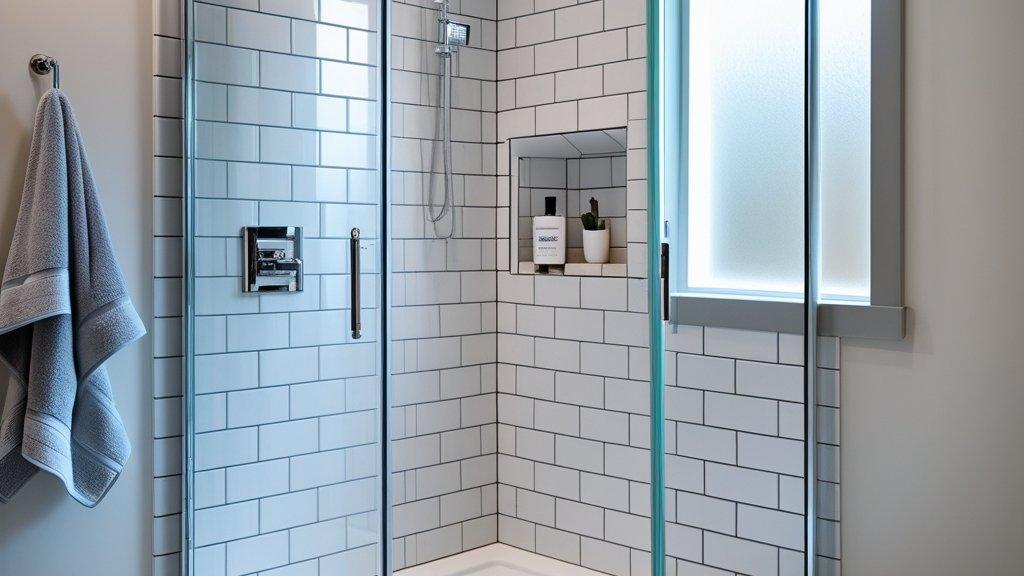
Corner Shower Ideas for Small Bathrooms: Smart Space-Saving Designs
A small bathroom doesn't really limit your design options; it just pushes you to use space with intention. When you tuck the shower into a corner, suddenly the floor plan feels more open and there's room to move, stash stuff, or just breathe.
Corner showers help us maximize every square foot by freeing up wall space, improving layout efficiency , and keeping small bathrooms functional without sacrificing style. You can pick from neo-angle enclosures, curved glass, or clean-lined square shapes to fit a modern, classic, or minimalist vibe. With the right tile, lighting, and built-in storage, a compact corner actually becomes a bold focal point.
Smart features like recessed niches, sliding glass doors, and space-saving fixtures make the design even more practical. Careful planning turns a corner shower into a streamlined, comfortable space that just works.
Key Takeaways
- Corner showers improve layout efficiency and free up valuable floor space.
- Smart design choices enhance style and function in compact bathrooms.
- Strategic planning turns a small corner into a practical, polished feature.
Maximizing Space with Corner Showers
Corner showers let us use those awkward, often wasted corners while keeping the main area open. With a good layout and the right size and enclosure, you can turn even a tiny space into a legit bathing zone.
Benefits of Corner Showers in Small Bathrooms
A corner shower opens up the middle of the room. By tucking the shower where two walls meet, you get more open floor for moving around, storing stuff, or maybe even squeezing in a wider vanity.
This setup makes traffic flow smoother. Fixtures and doors stay out of the main path, so you don’t have to do awkward bathroom gymnastics.
You also get more design freedom. Glass panels, especially in a walk in corner shower , let your eyes travel across the room, making things feel less boxed in. Clear enclosures bounce light around instead of blocking it.
If you’re remodeling, reusing an existing corner for the shower can help avoid big plumbing moves. That saves time and money while still letting you upgrade the look and function.
Optimal Layouts and Minimum Size Requirements
You need enough room inside to actually move. Most codes say at least 30 x 30 inches inside, but honestly, 32 x 32 inches feels better for daily use.
Common corner shower dimensions look like this:
Neo-angle units chop off the front corner with a diagonal door, so the shower sticks out less but still gives you space inside.
When planning corner walk in shower ideas , always check door swing clearance. Sliding or pivot doors are clutch when there’s not much room between the toilet and vanity.
Space-Saving Corner Shower Designs
A space-saving corner shower looks best when you keep things visually light. Frameless or semi-frameless glass cuts down on heavy metal lines.
Built-in storage works better than shelves that stick out and eat up space. Recessed niches, corner shelves, and slim cubbies keep the shower tidy and easy to move around in.
For a walk in corner shower , sometimes just one fixed glass panel (no door) is enough. You have to get the drainage and splash control right, though, or it gets messy.
Barrier-free or low-threshold entries help the floor flow from bathroom into shower. Running the same tile right into the shower makes the room feel bigger, even if the square footage doesn’t change.
Modern Corner Shower Design Ideas
Modern corner showers lean into clean lines, smart layouts, and materials that bounce light. Glass, minimalist hardware, and simple tile choices help a small bathroom feel more organized and open.
Frameless Glass Enclosures
A frameless shower skips bulky tracks and thick frames that can crowd a small space. We use clear tempered glass panels, held with slim clips or low-profile hinges, to keep things open.
A glass corner shower with no visible frame lets light travel through the whole room. This works especially well in bathrooms under 60 square feet, where every visual barrier makes it feel tighter.
We usually pair frameless glass with modern fixtures think matte black, brushed nickel, or brass. Go for a slim showerhead, a compact valve, and a low-profile drain to keep things sleek but functional.
If you want a little privacy, a corner shower with frosted glass softens the view but still reflects light. Frosted or lightly textured panels work great in shared bathrooms where you want a bit more cover.
Curved and Neo-Angle Corner Showers
Curved and neo-angle showers help you use tricky corners without wasting space. Instead of a sharp 90-degree square, angled glass panels or a curved front create a better entry.
A neo-angle modern corner shower usually means three glass panels forming a clipped corner. This opens up the walkway and keeps the door from banging into the vanity or toilet.
Curved glass doors soften the look and make it easier to move in tight spots. We often use large-format wall tiles with these shapes to avoid a million grout lines that can make a small bathroom look cluttered.
For extra style, a gold frame glass divider or slim black trim can define the shower without overpowering the room.
Walk-In Corner Shower Concepts
A walk-in corner shower ditches the door for a fixed glass panel. We position the opening so water doesn’t spray out.
In really small spaces, a corner shower with glass divider that extends partway into the room keeps things open but still contains water.
A black walk-in corner shower with matte black fixtures pops against white or pale gray tile. Strong lighting helps keep the look crisp, not cramped.
We always slope the floor toward a linear drain to make a doorless design work. Good waterproofing and precise grading are non-negotiable for durability.
Minimalist and Seamless Styles
Minimalist modern corner showers stick to consistent materials and a tight color palette. Running the same tile from the bathroom floor into the shower creates a seamless vibe.
Wall-mounted controls, recessed niches, and hidden drains cut down on clutter. Built-in storage means you don’t need hanging caddies or shelves that break up the clean lines.
Neutrals like white, soft gray, or warm beige keep things calm. Sometimes, a single accent, like textured tile on one wall, adds depth without making it busy.
By focusing on simple shapes and integrated details, you can create a modern corner shower that feels thoughtful and efficient, even in a small space.
Inspiring Corner Shower Tile Ideas
Tile choice really shapes how a corner shower looks and feels. We focus on layouts, materials, and colors that make the most of the space and keep maintenance simple.
Classic Subway Tile Showers
We use subway tile a lot because it’s timeless, reflects light, and just works. A white tile corner shower with 3x6 or 4x8 tiles keeps things bright and makes walls feel wider.
You can stack tiles vertically to draw the eye up, or run them in a classic offset pattern for that traditional look. Extending the same tile across both walls helps the corner feel bigger, not boxed in.
Grout color matters:
- White grout blends for a seamless look.
- Light gray grout adds contrast and hides stains a bit better.
For extra detail, try a niche with a contrasting back panel or frame the shower with a marble curb. Small tweaks like these make subway tile one of the most reliable corner shower tile ideas.
Hexagonal and Patterned Tiles
Hexagonal and patterned tiles add energy to a small shower without taking up space. A hexagonal corner shower tile layout works great on floors because the smaller shapes follow the drain slope more easily.
We often pair a gray hex floor with simple wall tiles to avoid visual overload. The contrast marks out the shower while keeping the rest of the bathroom calm.
For more punch, try a hex patterned subway tile on just one wall. Keeping bold patterns to a single surface helps small bathrooms stay under control.
Matte finishes also help cut glare and add grip underfoot.
Marble and Stone Tile Showers
Marble and stone tile bring a natural, durable vibe that fits both modern and classic spaces. In a tiled corner shower, big marble tiles mean fewer grout lines and a more seamless look.
Stone tile on the floor adds texture and grip, which is important in a small, enclosed shower. Pebble or honed finishes work well for traction.
A marble shower curb gives structure and keeps water from escaping. You can match it to the wall tile or go a shade darker for a bit of contrast.
Natural materials need sealing and occasional care. When we plan a stone tile corner shower, we think about maintenance and ventilation to avoid stains and moisture issues.
Neutral and Bold Tile Choices
Color really affects how big a corner shower feels. White tile bounces light and is great in bathrooms with not much natural light.
Grey tiles corner shower designs add depth without making things too dark. We like to use light grey on the walls and a darker grey on the floor to ground the space.
For more warmth, a brown tile shower corner can feel cozy, earth tones pair nicely with wood vanities and black hardware.
If you want bold color, keep it to one wall or the shower floor. That way, things stay balanced and the bathroom doesn’t get overwhelming.
Functional Features for Corner Showers
We make small bathrooms better by adding seating, built-in storage, and smart water control. These features help keep things organized and comfortable without taking up extra space.
Built-In Benches and Niches
A corner shower with bench adds comfort without eating up room. We like triangular or floating benches that tuck right into the corner, giving you a spot to sit without crowding the shower.
In a large corner shower with bench , you can run the seat along one wall for more space. We usually keep benches 12 to 16 inches deep so you still have standing room.
A recessed shower niche keeps bottles off the floor. We put niches at chest height on the longest wall for easy reach and line them up with grout lines for a clean look.
Some quick tips:
- Center niche 48-60 inches above the shower floor
- Slope bench tops slightly toward the drain
- Waterproof all seams and corners carefully
Storage and Organization Solutions
Small bathrooms need smart storage. We mix a shower niche , corner shelves, and minimal hardware to avoid clutter.
Built-in niches work best when you size them for real bottle heights. A double niche setup separates daily stuff from extras and keeps things tidy.
If you have a corner shower with glass divider skip bulky caddies, they block light. Clear glass keeps the room open.
For showers with curtains, a curved rod gives more elbow room. Hooks or slim shelves just outside the enclosure keep towels handy without crowding the wet area.
Shower Curbs and Water Control
A solid shower curb keeps water in without hogging space. In tight bathrooms, we keep curbs low and narrow, usually 2 to 4 inches high, to cut tripping risk.
We slope the curb slightly inward so water runs back into the shower. That little detail really helps avoid leaks.
Pair a low curb with a corner shower with glass divider for a modern, open look. The glass keeps water in but doesn't close off the space.
If you use a curtain, make sure the liner hangs inside the curb. Also, check that the drain and floor slope send water where it should go, so you don't get puddles in the corner.
Luxury and Personalization in Small Bathroom Corner Showers
You can turn a compact corner shower into something special with the right finishes, upgraded fixtures, and a bit of color. Even in a tight space, the materials and details decide if it feels basic or really personal.
Luxury Finishes and Fixtures
See the glass shower and blue-green accent tile in our Tampa master bathroom project for one example of combining contrasting tile surfaces, a recessed niche and gold-tone fixtures.
Natural stone adds weight and texture when we use it carefully. We often pair marble-look wall tile with marble countertops on a nearby vanity to keep things visually connected without overwhelming the space.
In a small layout, we’ll limit bold veining to just one or two walls. That way, the room doesn’t feel too busy.
Frameless glass doors make a measurable difference. A clear, hinged or neo-angle glass enclosure keeps sightlines open, helping the bathroom feel larger while still defining the shower zone.
For storage, we like to integrate recessed niches instead of bulky shelves. A single horizontal niche or stacked vertical niches hold shampoo and soap, keeping the corner layout clean and practical.
Rainfall and Specialty Showerheads
We improve daily comfort by upgrading to a rainfall showerhead or rain showerhead mounted from the ceiling or a short wall arm. In a corner setup, we position it so water coverage stays centered within the enclosure.
A compact thermostatic valve lets us control temperature precisely. This really matters in small showers, where you notice water pressure changes more.
We often combine a rain showerhead with a slim handheld wand. The handheld unit adds flexibility for cleaning and rinsing tight corners without taking up extra wall space.
To keep things refined, we match finishes across fixtures. Brushed nickel works well with a light grey shower, while matte black or brushed brass pairs nicely with a dark grey corner shower for contrast without too much shine.
Creative Accents and Color Choices
We personalize small corner showers with focused color and texture instead of big decorative elements. A dark grey corner shower pops against white walls and makes chrome or brass fixtures stand out.
For a softer look, a light grey shower brightens the space while still adding some depth. We usually combine light grey tile with white grout to keep things crisp and defined.
If we want to make a statement, we’ll design a pink tiled luxury corner shower using muted blush tones instead of saturated pink. Soft pink tile pairs nicely with marble accents and brushed gold hardware, especially if the bathroom has warm lighting.
Accent tile works well inside niches. We use mosaic, vertically stacked tile, or a subtle geometric pattern within the recessed shelf to add personality without overwhelming the whole enclosure.
Tips for Remodeling Small Bathrooms with Corner Showers
A successful bathroom remodel with a corner shower starts with precise planning and smart material choices. We focus on layout efficiency, durable finishes, and avoiding design decisions that waste space or budget.
Planning and Budgeting a Corner Shower Remodel
We always start by measuring the bathroom to the inch. In small bathrooms, even two or three inches can affect toilet clearance, vanity depth, and door swing.
Whenever possible, we place the corner shower where plumbing lines already exist. Moving drains and supply lines increases labor costs quickly and sometimes requires subfloor or slab work.
When setting a budget, we factor in:
- Shower enclosure (prefab kit, neo-angle, or custom glass)
- Tile and waterproofing system
- Plumbing fixtures and valve upgrades
- Ventilation improvements
- Labor and permit fees
Prefab corner shower kits cost less and go in faster. Custom tile showers cost more but allow for built-in niches, curved glass doors, and tailored dimensions.
We always reserve 10-15% for surprises like water damage or outdated wiring. Small bathrooms often hide issues behind the walls.
Choosing Materials and Finishes
In a small bathroom remodel, materials influence both durability and visual space. We pick finishes that resist moisture and make cleaning easier.
Large-format tiles reduce grout lines and create a more continuous surface. This makes the shower feel less crowded than small, busy patterns.
For shower enclosures, we compare options:
We install proper waterproofing behind tile, not just water-resistant drywall. Cement board or foam backer boards with sealed seams prevent long-term moisture damage.
We coordinate metal finishes, like brushed nickel or matte black, across the shower valve, door hardware, and lighting. Consistency keeps a small space from feeling cluttered.
Common Mistakes to Avoid
We skip oversized fixtures that overpower the room. A bulky vanity or wide shower base reduces movement space and just makes the layout feel cramped.
Poor door planning causes daily frustration. Hinged doors need clear swing space, while sliding or neo-angle designs often work better in tight spots.
Inadequate ventilation leads to mold and peeling paint. During a bathroom remodel, we upgrade the exhaust fan to match the room’s square footage and make sure it vents properly outside.
We avoid dark, heavy finishes on every surface. While contrast works, covering walls and floors in dark tile can make a small bathroom feel boxed in.
We never skip storage planning. Built-in corner shelves or recessed niches keep shampoos off the floor and prevent clutter inside the shower.
Frequently Asked Questions
Corner showers help us reclaim unused angles, improve traffic flow, and add modern style to tight layouts. The right size, materials, and features can turn a cramped bathroom into a space that feels organized and efficient.
How can I maximize space with a corner shower in a small bathroom?
We position the shower in an unused corner to free up wall space for a vanity or toilet. This setup keeps the center of the room open and makes moving around easier.
We usually pick neo-angle or curved glass enclosures because they cut down on sharp edges and make entry easier in tight layouts. Sliding or bi-fold doors also avoid the clearance issues that swinging doors have.
Built-in niches and corner shelves keep shampoo and soap off the floor. Large-format tiles with minimal grout lines create a smoother visual flow, making the room feel bigger.
What are some modern design options for corner showers in small spaces?
We see a lot of demand for frameless glass panels that create a clean, open look. Clear glass keeps sightlines uninterrupted and helps both natural and artificial light travel across the room.
Matte black, brushed nickel, and warm brass fixtures add contrast without overwhelming a small footprint. Many homeowners go for minimalist hardware and slim-profile shower trays.
Walk-in corner showers with a single fixed glass panel offer a sleek option when space allows. For a softer vibe, we use subtle marble-look porcelain tiles or neutral stone finishes.
How do I choose the right dimensions for a corner shower in a compact bathroom layout?
We start by measuring the available corner space and making sure we meet local building code clearances. Most compact corner showers fall between 32 by 32 inches and 36 by 36 inches.
We make sure there’s enough door clearance and at least 24 inches of open space in front of the entry. If the layout feels tight, a curved or neo-angle base can improve circulation.
We also consider ceiling height and plumbing placement. These factors help us decide between a standard base or a custom-tiled shower pan.
What are the latest trends in corner shower designs for small bathrooms?
We’re noticing a shift toward large-format tiles that reduce grout lines and create a seamless look. Textured tiles and subtle patterns add depth without crowding the space.
Hidden storage niches built into the shower wall are still popular because they add function without bulk. Many designs now include recessed lighting to brighten the enclosure.
Some homeowners pick partially open, walk-in corner layouts with minimal framing. This keeps the bathroom feeling open while still defining the shower zone.
What should I look for in a complete corner shower kit for a small bathroom renovation?
We check that the kit includes a properly sized shower base, compatible wall panels or enclosure glass, and coordinated hardware. All the pieces should match in dimensions and finish.
Tempered safety glass and watertight seals matter for durability. We also make sure the door style works with the available clearance in the room.
A well-designed kit makes installation easier and reduces the risk of leaks. Clear instructions and warranty coverage add another layer of reliability.
Can you suggest ways to enhance the aesthetics of a small bathroom with a corner shower?
I like to stick with light, neutral wall colors, they reflect more light and help the room feel open. If you extend the same tile from the shower onto the bathroom floor, you get this nice, seamless look.
Frameless glass panels really show off your tile work and keep the shower from feeling boxed in. Matching your fixtures and hardware finishes is a small detail, but it pulls everything together.
Sometimes I’ll add a recessed niche with accent tile for a bit of contrast. Little choices like these can elevate the space without making it feel cluttered.