
How to Check if a Florida Contractor Is Licensed
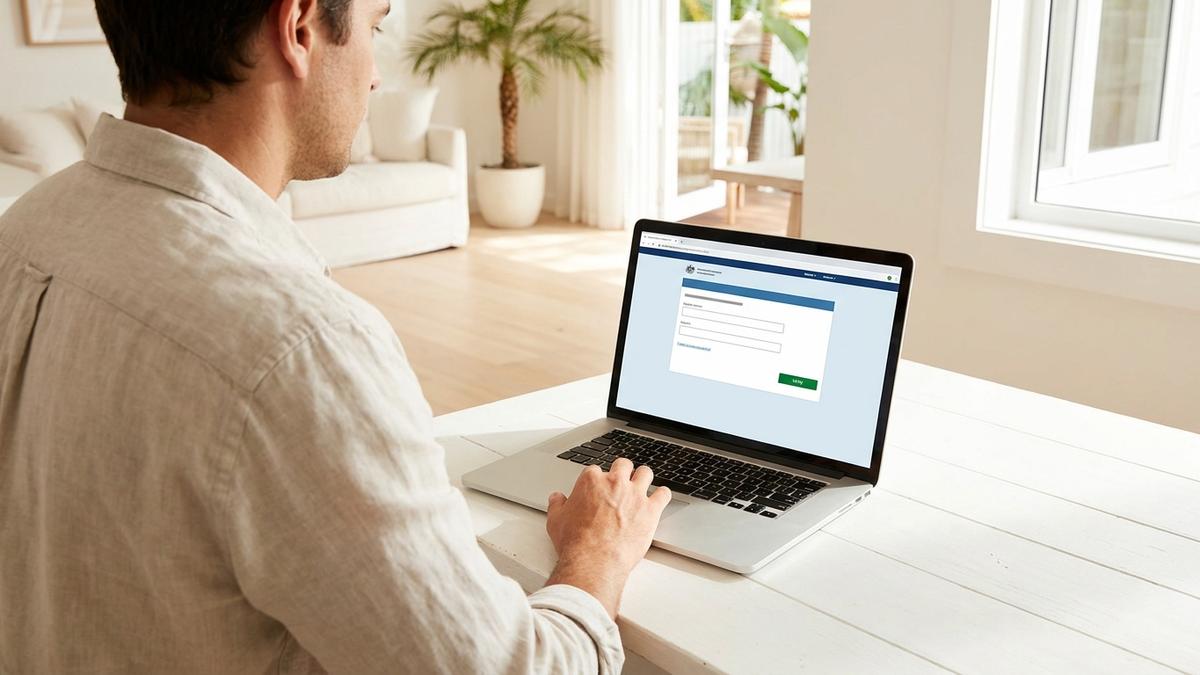
You can check any Florida contractor's license for free in about two minutes, on the state's official website. Search the contractor's name or license number, confirm the license is active, and note the license type. I'm a licensed Florida Certified Building Contractor (CBC1268077), and this is the first thing I tell Tampa Bay homeowners to do before they sign anything.
Key Takeaways
Verify any Florida contractor on the state DBPR site (MyFloridaLicense.com) by name or license number. You want a status of "Current" and "Active." A "C" license like CGC, CBC, or CRC is state-certified and works statewide. Unlicensed contracting is a crime in Florida, and the homeowner carries most of the risk. Always check insurance and workers' comp too.
How to Verify a Florida Contractor License in 4 Steps
Verifying a license takes about two minutes and costs nothing. Florida's Department of Business and Professional Regulation (DBPR) runs the official lookup, and it's the only source you should trust. Third-party directories can be out of date.
1. Go to the state site. Open DBPR's Verify a License page on MyFloridaLicense.com. It routes you to the live search. 2. Search by name or license number. Type the contractor's name, business name, or license number. If they gave you a number, search that first, since it's the fastest match. 3. Open the license detail. Click the result to see the license type, status, expiration, and the name the license is held under. 4. Match the name to your contract. The license has to belong to the person or company you're actually hiring. A salesperson borrowing someone else's license is a classic scam.
If you'd rather not use the website, you can call DBPR at (850) 487-1395 to verify by phone. (Source: Florida DBPR.)
What the License Types Mean: CGC, CBC, and CRC
Florida sorts construction licenses by what the contractor can legally build. The three you'll see most for home projects are CGC, CBC, and CRC, and the differences are set in state law.
| License | Full name | What they can build |
|---|---|---|
| CGC | Certified General Contractor | Unlimited. Any type or size of building. |
| CBC | Certified Building Contractor | Commercial and residential buildings up to three stories, plus remodels of any size that don't alter structure. |
| CRC | Certified Residential Contractor | One, two, or three-family homes up to two habitable stories. |
For a kitchen, bathroom, or home addition, a CBC or CRC is the common and correct credential. My own license, CBC1268077, is a Certified Building Contractor license. (Source: Florida Statutes 489.105.) One note on wording: "Building Contractor" is a specific Florida license type. It is not the same as a "General Contractor," which is the CGC license.
State-Certified vs Registered: Why It Matters in Tampa Bay
A license number that starts with "C" is state-certified, which means the contractor can work anywhere in Florida. A number that starts with "R" is registered, which means they passed a local competency exam and can only work in that county or city. (Source: Florida Statutes 489.105.)
This matters across Tampa Bay because our area spans Hillsborough, Pinellas, Pasco, Manatee, and Sarasota counties. A state-certified contractor covers all of them. If you find a registered contractor, confirm their registration actually covers your county before you hire.
How to Read the License Status
The status field tells you whether the contractor can legally work today. You want to see both "Current" and "Active." Anything else is a stop sign. DBPR defines each status, and here is what they mean in plain terms.
| Status | What it means | Safe to hire? |
|---|---|---|
| Current and Active | Up to date and allowed to work | Yes |
| Delinquent | Missed a renewal deadline | No |
| Inactive | Met requirements but not allowed to work | No |
| Null and Void | Failed to renew repeatedly, must reapply | No |
| Suspended or Revoked | Work privileges pulled by the state | No |
(Source: DBPR license glossary.) A delinquent or null license means the contractor cannot legally pull a permit, which stalls your whole project before it starts.
Check Insurance and Workers' Comp, Too
A license is the floor, not the finish line. Active Florida contractors must carry liability insurance, and, if they have employees, workers' compensation. If an uninsured worker gets hurt on your property, you can be the one left paying.
You can verify workers' comp for free on the Florida Division of Workers' Compensation Proof of Coverage database. Search the company name. One caveat: if a company leases its workers through a staffing service, only those workers may show up, so a blank result isn't always the full story. (Source: Florida Department of Financial Services.)
Ask for a certificate of insurance too, and confirm the policy is current. The state minimums for building contractors are $300,000 in liability and $50,000 in property damage coverage, but those are minimums, not proof your project is fully covered. (Source: DBPR.)
Red Flags of an Unlicensed Contractor
Most unlicensed contractors give themselves away early. Watch for these:
- They can't give you a license number, or the number doesn't match their name on the state site.
- They ask for a large cash deposit up front, or want to be paid only in cash.
- They have no written contract, or they rush you to sign one.
- They tell you a permit isn't needed for work that clearly requires one.
- They want the permit pulled in your name instead of theirs, which shifts the liability to you.
- The bid comes in far below everyone else. Cheap often means uninsured and unpermitted.
What Florida Law Says About Unlicensed Contracting
Hiring an unlicensed contractor is not a gray area in Florida. Unlicensed contracting is a first-degree misdemeanor on the first offense, and a third-degree felony for a repeat offense. During a declared state of emergency, like after a hurricane, even a first offense is a felony. (Source: Florida Statutes 489.127.)
The homeowner carries the real risk. Here is what is at stake when you skip the license check.
| Factor | Licensed contractor | Unlicensed contractor |
|---|---|---|
| Permits and inspections | Pulled and passed | Usually skipped |
| Insurance and workers' comp | Carried and verifiable | Often none |
| If the work fails | State recourse and accountability | You pay to fix it |
| Code compliance | Required | Not guaranteed |
| Legal status | Legal | A crime in Florida |
Unlicensed work usually skips permits and inspections, so it may not meet code. You can be forced to tear out and redo non-compliant work at your own cost, and your insurer may deny a related claim. (Source: Town of Indian Shores, FL.)
This isn't rare here. In November 2024, after Hurricanes Helene and Milton, one undercover sting in Pinellas County led to nearly 40 arrests for unlicensed contracting. (Source: FOX 13 Tampa Bay.) If you suspect unlicensed activity, report it to DBPR's hotline at 1-866-532-1440.
Your Pre-Hire Licensing Checklist
Run this quick checklist before you sign any remodeling contract:
- Look up the license on MyFloridaLicense.com and confirm it reads Current and Active.
- Match the license name to the company on your contract.
- Confirm the license type fits the work, usually a CBC or CRC for homes.
- Verify workers' comp on the state database.
- Get a current certificate of insurance.
- Make sure the contractor pulls the permit in their own name.
When you're ready to hire a licensed team in Tampa Bay, that's where we come in. We handle kitchen remodeling, bathroom remodeling, home additions, and general contracting under one Florida license, CBC1268077, with permits and inspections handled for you. If you're still budgeting, our Tampa bathroom remodel cost guide breaks down real local pricing.
Frequently Asked Questions
How do I check if a contractor is licensed in Florida?
Go to MyFloridaLicense.com, the state DBPR site, and search the contractor's name, business, or license number. Open the result and confirm the status reads "Current" and "Active." The lookup is free and takes about two minutes. Avoid third-party directories, which can show outdated information.
What does a CBC license mean in Florida?
CBC stands for Certified Building Contractor. It's a state-certified Florida license that covers commercial and residential buildings up to three stories, plus remodels of any size that don't change the structure. It's a common, correct credential for kitchen, bathroom, and home-addition work. My license is CBC1268077.
Is it illegal to hire an unlicensed contractor in Florida?
It's illegal to perform contracting work without a license. For the contractor, a first offense is a first-degree misdemeanor, and it rises to a felony for repeat offenses or during a state of emergency. The homeowner usually isn't charged, but you carry the financial and safety risk.
How do I verify a contractor's workers' compensation insurance?
Use the Florida Division of Workers' Compensation Proof of Coverage database and search the company name. It's free. If the company leases its employees through a staffing service, only those workers may appear, so ask for a certificate of insurance as well to confirm full coverage.
What is the difference between a certified and a registered contractor?
A certified contractor passed a state exam and can work anywhere in Florida, with a license number that starts with "C." A registered contractor passed a local exam and can only work in that county or city, with a number that starts with "R." In Tampa Bay, confirm a registered contractor covers your county.
Does a licensed contractor pull the permits?
Yes. A licensed contractor should pull the permit in their own name and schedule the required inspections. If a contractor asks you to pull the permit yourself, treat it as a red flag. It shifts the liability for the work onto you, and it often means they can't pull it themselves.
Written by Tomer Amar, owner of TGA Kitchens & Remodeling and a licensed Florida Certified Building Contractor (CBC1268077), serving Tampa Bay. This guide is general information, not legal advice. License details change, so always confirm current status on MyFloridaLicense.com.