
best roofing shingles for florida: Top Options for Heat, Humidity, and Hurricanes
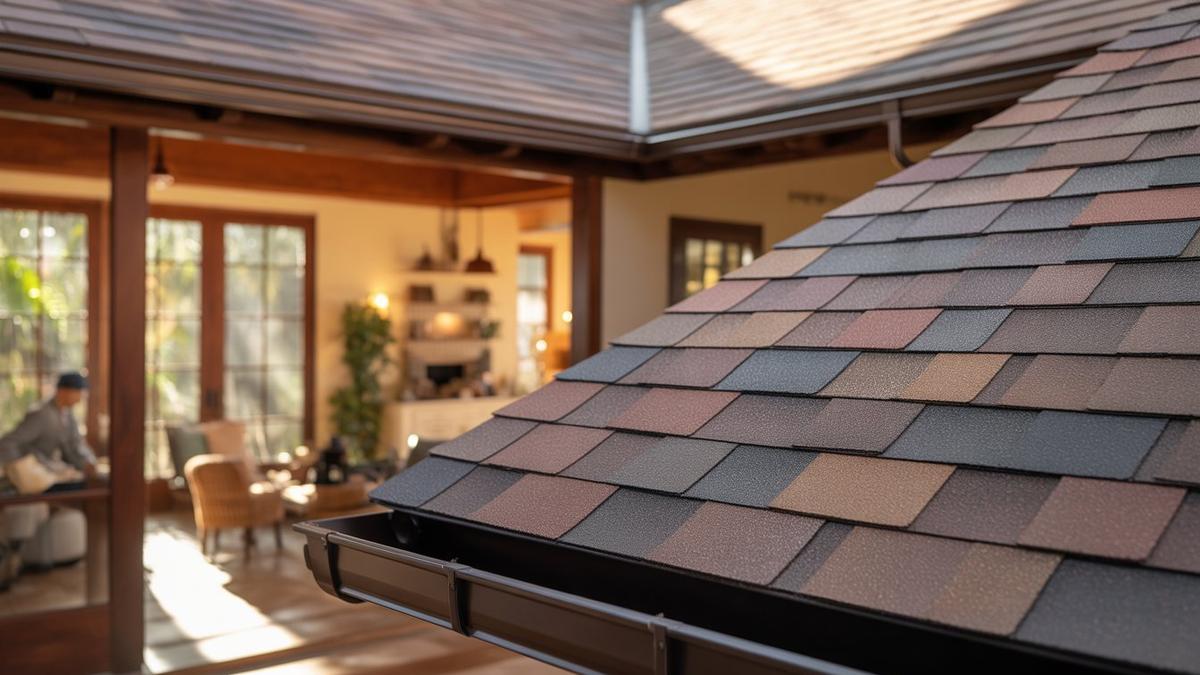
best roofing shingles for florida: Top Options for Heat, Humidity, and Hurricanes
Florida weather pushes your roof to the limit with heat, humidity, heavy rain, and wild winds. You need shingles that fight storms, block algae, and help keep energy bills under control, without constant headaches.
The best roofing shingles for Florida are high-quality architectural asphalt shingles or metal shingles rated for high wind resistance, UV protection, and algae resistance. We focus on materials made for coastal exposure, strong uplift ratings, and real durability in hot, stormy climates.
Choose the right shingle, and you’ll protect your home, deal with fewer repairs, and get better performance. Here’s a breakdown of which options actually work and what you should check before a roof replacement .
Key Takeaways
- Look for shingles rated for high winds, UV, and algae resistance.
- Architectural asphalt and metal shingles both handle Florida’s climate well.
- Focus on durability, energy efficiency, and storm protection before replacing your roof.
Key Factors When Choosing Roofing Shingles for Florida
We pick roofing shingles in Florida based on real performance, not just looks. Durability, wind resistance, energy efficiency, maintenance needs, and long-term value all matter when you’re trying to outsmart this climate.
Durability and Lifespan Considerations
Florida roofs deal with relentless sun, humidity, rain, and storms. We prioritize shingles designed for long-term durability under all that stress.
Architectural asphalt shingles outlast basic 3-tab shingles thanks to thicker layers and stronger adhesives. Most manufacturers rate them for 25-30 years or more, but actual lifespan varies with installation and ventilation.
We also look for:
- Algae-resistant granules to prevent black streaks in humid areas
- Strong warranties covering material defects
- High-quality underlayment that supports the shingles
A more durable roof means fewer replacements and less hassle, even if you pay more upfront.
Weather and Wind Resistance Requirements
Florida building codes demand strict wind resistance, especially near the coast. We check that shingles meet or beat local wind uplift ratings.
Most architectural shingles have wind ratings of 110-130 mph, and some systems go even higher with special fastening. The nailing pattern and starter strips matter as much as the shingle itself.
We also want protection against:
- Wind-driven rain
- Debris impact
- Sudden pressure changes during storms
We avoid products without solid test data. Proven wind resistance cuts down on blow-offs and water leaks after storms.
Energy Efficiency and Cooling Costs
Florida’s heat keeps AC units working hard. We look at how shingles affect attic temps and overall energy use.
Light-colored or “cool roof” shingles reflect more sunlight than dark ones. Some have reflective granules that meet ENERGY STAR® or similar standards, which can help reduce heat absorption.
Cooler roofs can:
- Lower attic heat
- Ease the load on your HVAC
- Trim monthly cooling bills
Ventilation matters too. Even the best shingles won’t help if your attic doesn’t breathe. We always check the whole roofing system, not just shingle color.
Maintenance Requirements and Property Value
Maintenance impacts both roof performance and home value. We pick shingles that resist algae, granule loss, and curling.
Algae-resistant shingles help keep your roof looking good with less cleaning. Fewer stains mean better curb appeal and less work.
Buyers like:
- Transferable warranties
- Proof of licensed installation
- Systems that meet Florida codes
The right shingle can boost your home’s marketability. Durability, wind resistance, and energy efficiency show you’ve invested in long-term protection.
Top Types of Roofing Shingles for Florida Homes
Florida roofs face high heat, heavy rain, humidity, and hurricane-strength winds. We focus on materials that pass wind ratings , fight algae, and survive long-term UV.
Architectural Asphalt Shingles
Architectural asphalt shingles are everywhere in Florida. They use a fiberglass mat, layered asphalt, and mineral granules for extra thickness and strength.
We recommend shingles with wind ratings of 130 mph or higher to meet building codes, especially near the coast. Many also have algae-resistant granules to stop those annoying dark streaks.
Key points:
- Moderate upfront price
- Tons of colors and styles
- Easier to install than tile
- Lasts about 20-30 years in Florida
Architectural asphalt shingles balance cost and performance. They’re a solid pick if you want good protection without the weight of tile.
Metal Roof Shingles
Metal shingles bring the toughness of metal with the look of regular shingles. Manufacturers use steel or aluminum and add coatings to resist corrosion, a must near salty air.
Installed right, metal shingles can handle winds above 140 mph . They also reflect solar heat, which helps keep your attic cooler.
We look for:
- Rust-resistant coatings
- High wind ratings
- Interlocking panels
- Florida Product Approval
Metal roofs usually outlast asphalt, often 40 years or more if you maintain them. You’ll pay more upfront, but you get longevity and strong storm performance.
Clay and Concrete Tiles
Clay and concrete tiles hold up well in Florida’s heat. They resist fire, bugs, and rot, and they don’t break down from sun like lighter shingles.
Clay tiles keep their color because it’s fired in. Concrete tiles cost less but weigh more, so we always check if the roof can handle them.
Important details:
- High wind fastening systems
- Good underlayment for moisture
- Extra roof framing if needed
Tile roofs can last 40-50 years or more, but they need careful installation. Tiles can crack if hit, so regular checks help.
Synthetic and Composite Shingles
Synthetic shingles use engineered polymers or recycled stuff to copy the look of slate, wood, or tile. They’re lighter than the real thing, so your roof doesn’t carry as much weight.
Many composite shingles have Class A fire ratings and strong impact resistance. Some match the wind ratings of asphalt or metal shingles.
We check for:
- UV resistance
- Verified wind and impact ratings
- Good warranty terms
Synthetic and composite shingles give you design options without the weight or price of tile or metal. They’re a practical way to get the look you want and still handle storms.
Comparing Asphalt Shingle Options
Florida homes need asphalt shingles that can deal with wind, rain, and sun. We compare 3-tab, dimensional, and luxury asphalt shingles by wind rating, thickness, and durability.
3-Tab Asphalt Shingles
3-tab asphalt shingles have a single-layer design with cutouts for a flat, even look. Most have wind ratings around 60-70 mph, but better installation can bump that up.
They’re the cheapest option and go on fast, which saves on labor.
But their light weight makes them vulnerable in hurricane zones. They usually last 15-20 yearsin Florida, especially where the sun is harsh.
If you want long-term storm resistance, 3-tab shingles aren’t the answer. We mostly recommend them for tight budgets or low-risk areas.
Dimensional Shingles
Dimensional or architectural shingles use multi-layer construction for extra thickness and a textured look.
Most offer wind ratings of 110-130 mphwith approved installation. That’s a good fit for Florida’s codes and coastal areas.
We usually recommend dimensional shingles for value and performance. They come with 30-year or limited lifetime warranties , but lifespan depends on ventilation and install quality.
They cost more than 3-tab but give better impact resistance and last longer. For many Florida homes, they hit the sweet spot between price and protection.
Luxury Asphalt Shingles
Luxury shingles, also called designer or premium, use heavier laminated layers. They mimic slate or wood shake but keep asphalt’s benefits.
These shingles often reach 130 mph wind ratings and may get better warranties with full roofing systems. Their weight helps fight wind uplift.
Luxury shingles are for homeowners who want top durability and a standout look. They usually last 30 years or more with good care.
The downside is price and weight, sometimes you’ll need a roof check for older homes. Installed right, they’re hard to beat for both toughness and curb appeal.
Leading Roofing Shingle Brands in Florida
Florida roofs get hit with UV, wind, salt, algae, and hurricanes . We stick with brands that offer high wind ratings , proven algae resistance , and clear warranties backed by strong local support.
Owens Corning Shingles
We often use Owens Corning shingles for their solid wind ratings and algae protection. Their architectural lines, like Duration®, have wind warranties up to 130 mph when installed with the right nailing and starter products.
Their SureNail® Technology adds a reinforced strip, helping crews nail accurately in high-wind zones . In Florida, good nail placement is crucial for wind resistance.
Owens Corning’s StreakGuard® gives strong algae protection, which is a big deal in humid areas. They offer lots of colors, and their system components, underlayment, starter shingles, ventilation, let us register enhanced warranties if you install the full system.
GAF Shingles
GAF shingles are everywhere in Florida. The Timberline® line meets code when installed right, with wind ratings up to 130 mph if you use enhanced methods.
Their LayerLock® Technology boosts fastening accuracy and cuts down on blow-offs during storms. GAF also fights algae with StainGuard® and StainGuard Plus™, which help prevent black streaks.
GAF gives tiered warranties that get better if certified contractors install the whole system. Using their starter strips, ridge caps, and approved underlayments keeps your coverage intact.
CertainTeed Shingles
We like CertainTeed shingles for weight and durability. Landmark® architectural shingles are heavier than most, which can help wind resistance and rigidity if installed right.
CertainTeed’s wind warranties typically reach 110 or 130 mph, depending on how you install them. Their algae-resistant tech, called StreakFighter®, helps in Florida’s heat and moisture.
They offer deep colors and a dimensional look. We always check that the roof can handle the extra weight, especially on older homes.
Atlas Pinnacle Pristine and IKO
Atlas Pinnacle Pristine shingles use Scotchgard™ Protector to fight algae, which works well in humid, coastal spots. Many installs qualify for wind warranties up to 130 mph if you use the right fastening.
Atlas adds a reinforced nailing area for better accuracy. That’s important in high-wind areas where nail placement matters.
IKO architectural shingles, like Cambridge®, give solid wind ratings and lots of color choices. We always double-check the product approval numbers for Florida code compliance.
Brands like TAMKO are in the Florida market too, but we focus on products with strong local distribution, clear warranties, and verified wind approvals before recommending anything.
Innovative Shingle Technologies and Alternatives
Some Florida homes need roofing that goes beyond asphalt. We sometimes recommend slate, solar-integrated systems, or wood shingles when homeowners want unique features or a different look.
Slate Shingles
We consider slate shingles one of the most durable roofing options in Florida. Natural slate resists fire, mold, and insect damage.
It doesn't absorb much moisture when installed right. That low absorption rate helps it handle heavy rain and humidity.
Slate also stands up to high winds when installers use secure fastening systems and reinforced underlayment. Many insurers actually favor slate, tile, concrete, or metal roofs in storm-prone areas because of their durability.
However, slate is heavy. We have to check that the roof structure can support the extra weight, which often exceeds 800 pounds per square (100 square feet).
Costs run higher than asphalt, for both materials and skilled labor. Still, slate can last 75 to 100 years or more with proper maintenance .
That kind of lifespan can offset the upfront expense for homeowners planning to stay put for a while.
Solar Shingles and Solar Panels
We see growing interest in solar shingles and traditional solar panels across Florida. High sun exposure and rising energy costs definitely play a role.
Both systems generate electricity, but they differ in design and installation. Solar shingles integrate directly into the roofing surface and replace standard shingles, creating a low-profile look.
Traditional solar panels mount above existing shingles or other roofing materials. Panels usually cost less per watt and often produce more output because installers can angle them for max sun exposure.
Key differences:
- Solar shingles : Integrated look, dual-purpose roofing material, higher upfront cost
- Solar panels : Separate mounting system, more flexible placement, often more efficient per dollar
We have to look closely at wind ratings and attachment systems. In hurricane-prone regions, proper anchoring and certified installation are critical for long-term performance.
Wood Shingles
Wood shingles , usually made from cedar, offer a natural look that some Florida homeowners love for coastal or historic-style homes. Cedar contains natural oils that resist insects and decay better than many other woods.
Wood provides moderate insulation value and can help reduce heat transfer compared to basic asphalt shingles. But Florida’s humidity and heavy rainfall create maintenance headaches.
We treat wood shingles with fire retardants and water-repellent preservatives. Regular inspections are necessary to catch mold, rot, and warping early.
In coastal areas, salt air can speed up wear. Wood shingles usually last 20 to 30 years in Florida with proper care, but they demand more maintenance than slate, metal, or tile.
Making the Best Choice for Roof Replacement in Florida
We weigh appearance, cost, and installation quality when planning a roof replacement in Florida. The right decision balances curb appeal , storm performance, and long-term value without blowing up the budget.
Assessing Curb Appeal and Style
Curb appeal directly affects how a home looks and how buyers perceive it. In Florida neighborhoods with HOA rules or coastal designs , color and profile matter as much as wind ratings.
We often recommend architectural asphalt shingles for homeowners who want dimension without the cost of tile. Brands like GAF Timberline HDZ, Owens Corning Duration, and CertainTeed Landmark are popular because they combine layered design with strong wind warranties.
Lighter colors reflect more sunlight, which helps in hot climates. Darker tones might better match brick or stucco exteriors.
When we compare the best roof shingles for Florida, we also check:
- Wind resistance ratings (often 130 mph with proper installation)
- Algae-resistant granules for humid conditions
- Profiles that complement coastal, Mediterranean, or modern styles
The best shingles for Florida should match the home’s architecture while meeting local wind code requirements.
Budget and Long-Term Value
We encourage homeowners to look beyond the upfront price of materials. A lower-cost three-tab shingle may save money today, but architectural shingles or metal options often last longer and require fewer repairs.
In Florida’s heat, heavy rain, and storm seasons, durability affects total ownership cost. Products with strong manufacturer warranties and algae resistance reduce maintenance expenses.
We typically compare options like this:
If we plan to stay in the home long term, investing in upgraded shingles often makes financial sense. For shorter ownership timelines, mid-range architectural shingles can balance cost and resale appeal.
Professional Installation Tips
Even the best roofing shingles for Florida can fail if crews install them incorrectly. We always confirm that contractors follow Florida Building Code requirements for underlayment, fastening patterns, and edge details.
Proper installation includes:
- Correct nail placement and quantity for high-wind zones
- Secondary water barriers where required
- Adequate attic ventilation to reduce heat buildup
We also verify that the contractor is licensed and insured in Florida. Manufacturer warranties often require certified installation to stay valid.
During roof replacement, we inspect decking for rot or water damage before new shingles go down. Skipping this step can shorten the life of even the best shingles for Florida.
Strong materials matter, but skilled installation protects the investment.
Frequently Asked Questions
Florida roofs face sustained heat, high humidity, algae growth, and hurricane-force winds. We focus on material performance, wind ratings, algae resistance, cost ranges, brand reliability , and low-slope installation rules.
Which roofing shingle types hold up best in Florida’s heat, humidity, and UV exposure?
Architectural asphalt shingles with fiberglass mats perform well in Florida’s climate. They resist heat better than older organic-mat shingles and handle humidity without soaking up moisture.
We look for shingles with high UV protection and reflective granules that meet ENERGY STAR® or similar cool-roof standards. Lighter colors also reduce heat absorption and help limit thermal aging.
Metal and concrete tile last longer in extreme sun. Among shingles, laminated architectural products offer the most consistent balance of durability and cost.
What roofing shingles offer the strongest wind resistance for hurricanes and tropical storms?
Architectural shingles rated for 130 mph to 150 mph winds provide stronger protection than basic 3-tab shingles, which often carry 60-70 mph ratings. We recommend products that meet ASTM D3161 Class F or ASTM D7158 Class H standards.
Proper installation matters as much as the rating. We use six nails per shingle, high-wind starter strips, and manufacturer-approved ridge caps to keep the wind warranty valid.
In coastal counties, local building codes may require enhanced fastening patterns. We always follow Florida Building Code requirements for high-velocity hurricane zones.
How do algae-resistant shingles perform in Florida, and are they worth the added cost?
Algae-resistant shingles use copper- or zinc-coated granules to slow the growth of black streaks caused by algae. In Florida’s humid climate, this feature significantly reduces staining over time.
The cost increase is usually modest compared to standard architectural shingles. We find the added protection worthwhile, especially in shaded areas or neighborhoods with heavy tree cover.
These shingles don't stop algae forever, but they delay visible discoloration and reduce maintenance needs.
What is the typical installed cost range for a shingle roof in Florida, and what factors change it most?
In 2026, we typically see installed costs between $4.50 and $8.50 per square foot for architectural asphalt shingles. Complex roofs or premium designer shingles can go higher.
Price changes most with roof size, pitch, tear-off needs, underlayment type, and local labor rates. Steeper slopes and multiple valleys increase labor time and material waste.
Upgrades like synthetic underlayment, peel-and-stick membranes, and enhanced ventilation also raise the total cost.
Which shingle brands tend to have the best reliability and warranty support for Florida homes?
We regularly see strong performance and warranty backing from brands such as GAF, Owens Corning, CertainTeed, TAMKO, and IKO . Product lines with enhanced wind warranties and algae protection perform best in Florida conditions.
Manufacturer-certified installers can offer extended workmanship and material warranties. We recommend checking both the base warranty and any available upgraded coverage.
Warranty value depends on correct installation and ventilation. We always register products and follow manufacturer specs to protect coverage.
Are asphalt shingles recommended for a 2/12 roof pitch in Florida, and what installation rules apply?
You can use asphalt shingles on a 2/12 pitch , but you'll need special underlayment. Most manufacturers want a double-layer underlayment or a self-adhering membrane over the whole deck.
Standard installation works for slopes 4/12 and above. On low slopes like 2/12, we stick to the manufacturer's instructions to keep the warranty valid.
If the pitch drops below 2/12, we don't recommend shingles at all. In those situations, modified bitumen or metal roofing makes more sense.