
Home Addition Ideas to Boost Value: Smart Expansions That Maximize ROI
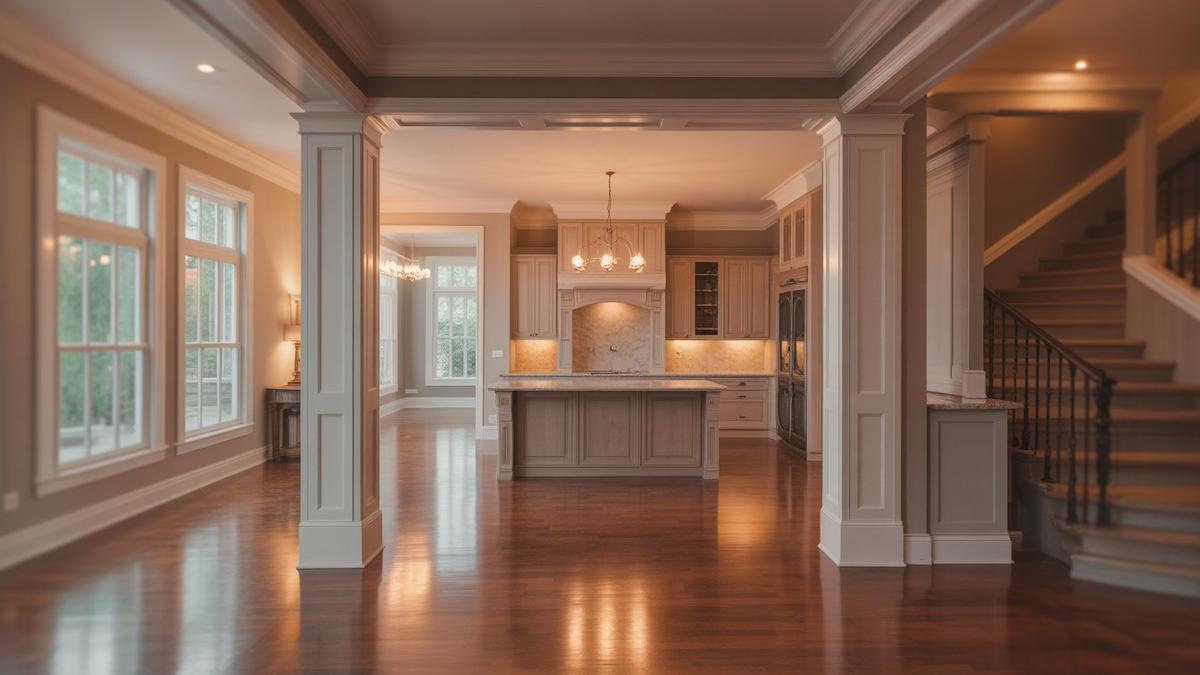
Home Addition Ideas to Boost Value: Smart Expansions That Maximize ROI
You want to increase your home’s value, and the right addition can make that investment pay off. We focus on projects that expand usable living space, improve function, and match what buyers expect in today’s market.
The most effective home additions for boosting value add livable square footage, such as room extensions, finished basements, accessory dwelling units, and modernized kitchens or bathrooms, while aligning with your neighborhood and budget.When we choose upgrades that improve daily comfort and long-term functionality, we strengthen both resale appeal and practical use.
Smart planning really makes the difference. We weigh cost, layout, and local demand so your addition enhances how you live now and positions your property competitively when you decide to sell.
Key Takeaways
- Focus on additions that increase usable living space and everyday function.
- Balance project cost with neighborhood standards and buyer expectations.
- Plan strategically to improve comfort now and resale value later.
High-Impact Home Addition Ideas to Boost Value
Strategic additions add square footage in ways buyers immediately recognize and value. With careful planning, we can increase property value while improving function, flexibility, and long-term return on investment.
Sunroom Addition
A sunroom addition expands living space without the cost of a full structural expansion. We typically build it as a three-season or four-season room, depending on insulation, HVAC integration, and window specifications.
Four-season sunrooms with insulated walls, energy-efficient windows, and permanent heating and cooling systems offer stronger resale appeal. Buyers treat them as usable square footage instead of just seasonal space.
Three-season rooms cost less but deliver lower return on investment because they limit year-round use. We recommend placing the sunroom off the kitchen or family room to create natural flow.
Durable flooring, proper foundation work, and code-compliant electrical installation matter more than decorative upgrades.
Key value factors:
- Energy-efficient windows and doors
- Proper insulation and HVAC tie-in
- Seamless connection to main living areas
- Permits and code compliance
When you design a sunroom for daily use, not just occasional entertaining, you can noticeably increase property value.
Second Story Addition
A second-story addition lets us double living space without expanding the home’s footprint. This approach works well on smaller lots where zoning limits outward expansion.
Before planning a second story, we assess foundation strength, framing capacity, and local height restrictions. Structural reinforcement often represents a major portion of project cost.
We also factor in stair placement, which affects layout and traffic flow. Common layouts include adding multiple bedrooms, a primary suite, or relocating living areas upstairs.
Creating a spacious primary suite with a private bath often delivers strong buyer appeal.
What drives return on investment:
- Functional bedroom-to-bathroom ratio
- Structural integrity and engineering
- Exterior design that matches the original home
- Energy-efficient insulation and roofing
A well-designed second-story addition can significantly increase property value because it adds meaningful square footage, not just specialty space.
Accessory Dwelling Unit (ADU) or In-Law Suite
An accessory dwelling unit (ADU) or in-law suite creates independent living space on the same property. We can build it as a detached guest house, a garage conversion, or an attached addition with a private entrance.
ADUs typically include a small kitchen, full bathroom, sleeping area, and separate utilities. Rental potential often drives demand, especially in markets with high housing costs.
In multigenerational households, an in-law suite provides privacy while keeping family close. Local zoning laws and permit requirements vary a lot, so we confirm lot coverage limits, parking rules, and short-term rental restrictions before building.
Strong value components include:
- Private entrance and dedicated utilities
- Full kitchen and bathroom
- Sound separation from the main home
- Legal compliance with local ADU regulations
Because an ADU adds flexible living and income potential, it often increases property value in competitive markets.
Room Over Garage
A room over the garage adds square footage without altering the home’s footprint. We often convert unfinished attic space above an attached garage into a bedroom, office, or guest suite.
This project requires reinforcing the garage ceiling, improving insulation, and installing proper HVAC. Temperature control matters because garages usually lack the insulation of main living areas.
Buyers value this space when it functions as a true extension of the home rather than just bonus storage. Adding a bathroom can convert it into a full guest suite, which improves resale appeal.
Important planning considerations:
- Structural load capacity
- Soundproofing from garage noise
- Adequate ceiling height
- Permanent heating and cooling
A room over the garage can deliver solid return on investment when we finish it to the same standard as the rest of the house.
Practical Interior Additions That Increase Usable Space
We can often gain substantial square footage without expanding the home’s footprint. Converting underused areas into functional living space improves daily comfort and strengthens resale appeal when buyers see finished, permitted additions.
Finished Basement Conversion
A finished basement turns overlooked square footage into high-value living space. We often use a basement conversion to create a family room, guest suite, fitness area, or rental-ready layout, depending on ceiling height and egress options.
Before finishing your basement, we focus on moisture control, insulation, and code-compliant egress windows. Proper waterproofing and a sump pump system protect the investment and reassure future buyers.
Lighting matters a lot. Basements lack natural light, so we add recessed LED fixtures, light wall colors, and larger egress windows where possible.
Key upgrades that increase value:
- Code-compliant bedroom with closet and egress
- Full or half bathroom addition
- Durable flooring such as luxury vinyl plank
- Separate entrance for multi-generational living
A well-executed basement conversion expands usable square footage at a lower cost per square foot than a full structural addition.
Attic Conversion
An attic conversion transforms empty overhead space into practical square footage. We commonly convert attics into bedrooms, playrooms, or compact home offices.
Structural capacity is the first priority. We confirm joists can handle live loads and reinforce framing when needed.
Natural light significantly affects value. We install dormers or skylights to increase headroom and bring in daylight, which makes the space feel open instead of cramped.
Important planning factors include:
- Minimum ceiling height requirements
- Proper insulation and ventilation
- Code-compliant staircase access
- HVAC extension for year-round comfort
Buyers respond well to finished attic space when it feels integrated with the rest of the home.
Home Office Addition
A dedicated home office remains one of the most practical additions to homes. We design it as a defined, enclosed space rather than a temporary corner setup.
Location affects usability. We place the office away from high-traffic areas and add sound insulation to improve focus and privacy.
Natural light increases productivity and appeal, so we position the office near existing windows or add new ones where feasible. Built-in shelving and storage help reduce clutter and maximize functional living space.
Features that strengthen value include:
- Hardwired internet connections
- Adequate electrical outlets
- Task lighting and overhead lighting layers
- Door for privacy during calls
A well-designed home office supports remote work and appeals to buyers who prioritize flexible interior space.
Elevating Comfort and Livability With Room Expansions
Room expansions improve daily function while directly increasing usable square footage. When we target kitchens, bathrooms, and primary suites, we address the spaces buyers evaluate most closely and the areas homeowners use every day.
Kitchen Expansion and Bump-Outs
A kitchen expansion improves workflow, storage, and gathering space in one project. We often recommend removing a wall to create an open layout or extending the footprint with a kitchen extension into the backyard or side yard.
A smaller-scale option is a kitchen bump-out . This type of bump-out addition typically adds 2-4 feet of depth without requiring a full foundation expansion.
That extra space can fit an island, a breakfast nook, or additional cabinetry.
Key upgrades that increase value include:
- Adding a large island with seating
- Expanding counter space and walkways to at least 42-48 inches
- Increasing pantry storage
- Upgrading lighting and ventilation
A well-planned kitchen addition should improve traffic flow and connect clearly to dining and living areas. Buyers consistently prioritize kitchens, so functionality and layout matter more than decorative finishes.
Bathroom Additions
A bathroom addition directly improves a home’s usability and resale appeal. Many buyers compare homes based on the bedroom-to-bathroom ratio , and adding a full or half bath can make a property more competitive.
We focus first on location. Converting adjacent closet space, expanding into a hallway, or stacking a new bath above existing plumbing reduces construction costs.
High-impact features include:
- A full shower instead of a half bath when space allows
- Double vanities in family homes
- Durable tile and moisture-resistant materials
- Adequate ventilation and natural light
Adding a bathroom near common areas improves convenience. Adding one near bedrooms, especially as an en-suite bathroom , increases privacy and function.
Even modest square footage can significantly improve daily routines.
Primary or Master Suite Addition
A primary suite addition creates a private retreat while increasing square footage in a meaningful way. We often design these additions as rear or side extensions to maintain separation from secondary bedrooms.
A typical master suite addition includes:
- A larger bedroom area
- A walk-in closet
- A dedicated master bathroom
The en-suite bathroom should include a double vanity, a separate shower, and enclosed toilet space when possible. Clear circulation paths and sound insulation improve comfort.
A well-designed master suite improves layout balance and privacy. When buyers see a spacious primary suite addition , they recognize both comfort and long-term livability, which directly supports stronger resale value.
Cost-Effective and Versatile Home Addition Options
We can add usable square footage without overextending the budget by reworking existing space or choosing efficient construction methods. Garage conversions, modular builds, and dormer additions offer flexible layouts and strong resale appeal when we plan them right.
Garage Conversions
A garage conversion turns underused parking or storage space into conditioned living area. We often convert it into a bedroom, home office, gym, or small rental suite, depending on local zoning.
This option avoids major excavation and roofing work, which keeps costs lower than building a full garage addition. We still need to address insulation, flooring, HVAC extension, and proper egress windows to meet code.
Key considerations include:
- Upgrading the slab for moisture control
- Adding wall and ceiling insulation
- Installing adequate heating and cooling
- Meeting fire separation requirements from the main house
If we remove enclosed parking, we should evaluate neighborhood expectations. In some markets, losing a garage can reduce buyer appeal, while in others, added living space increases value more than covered parking.
Conventional and Modular Additions
A conventional addition uses traditional on-site framing and integrates directly with the existing structure. We match rooflines, siding, and window proportions to protect resale value.
This approach works well for kitchen expansions, family rooms, or a garage addition. It allows full customization but often involves longer timelines and higher labor costs.
A modular addition or modular home addition offers a faster alternative. We build sections off-site in a factory, then set and connect them to the home.
Comparison at a glance:
We still prepare foundations and utilities on-site. When properly installed and finished, modular additions can blend with the existing structure and provide similar long-term performance.
Dormer Addition
When we need space but can’t expand outward, we can build a dormer. A dormer addition extends vertically from a sloped roof to create usable headroom and natural light.
This strategy works especially well for attic conversions into bedrooms or offices. By adding vertical walls and windows, we turn previously cramped areas into functional rooms.
Before building a dormer, we assess:
- Roof pitch and framing layout
- Load paths and need for structural reinforcement
- Local height restrictions
- Insulation and ventilation upgrades
Some projects require reinforcing rafters or adding beams to support the new structure. When we integrate the dormer design with the existing roofline, we improve interior function while maintaining exterior consistency.
Functional Spaces and Lifestyle Upgrades
Well-designed functional spaces improve daily routines and make a home more attractive to buyers. We focus on additions that increase usable square footage, improve organization, and create flexible areas that adapt to changing needs.
Mudroom and Laundry Room Additions
A dedicated mudroom gives you a clear spot to transition from outdoors to inside. We usually tuck it near a garage or side entry to keep dirt and clutter in check.
Built-in benches, cubbies, and closed cabinets help corral shoes, coats, and backpacks. Durable flooring like luxury vinyl plank stands up to moisture and scratches, so it protects your investment.
A separate or combined laundry room adds practical value. Buyers look for counter space for folding, upper cabinets for storage, a utility sink, and space for side-by-side or stacked units.
We always recommend proper ventilation and sound insulation, especially if the laundry’s near bedrooms or a family room. Even a small laundry addition can really improve workflow and free up closet space elsewhere.
Outdoor Living Spaces: Decks, Patios, and Outdoor Kitchens
Outdoor living areas stretch your usable space without the cost of a full interior build-out. A solid deck addition or patio gives you defined zones for dining and relaxing.
Pressure-treated lumber and composite decking last for years with little upkeep. For patios, stamped concrete and pavers offer clean lines and long-term performance.
An outdoor kitchen ups the appeal, especially in mid- to high-range markets. You’ll usually see a built-in grill and prep counter, weather-resistant cabinetry, dedicated gas and electrical lines, and some task lighting.
We pay close attention to layout and traffic flow so the patio or deck connects right to the kitchen or family room. Big sliding doors or glass walls really open things up and let in more natural light.
Landscaping and lighting can frame the space and boost curb appeal at the same time.
Open-Concept and Flexible Living Spaces
Buyers love open-concept living it opens up sightlines and brings in more light. We often take down non-load-bearing walls to connect the kitchen, dining, and family room.
If structural walls get in the way, we use wider openings or partial walls to keep things flowing. Proper beam support and code compliance protect your investment.
A family room addition gives everyone a central spot to gather, without losing bedroom space. We like to add built-in storage, integrated media walls, and durable flooring such as luxury vinyl plank.
Flexible rooms pull their weight when they serve more than one purpose. A guest room with a Murphy bed can double as an office, and sliding partitions or glass walls give privacy without closing things off.
Clear layouts and adaptable square footage appeal to both current and future needs.
Strategic Planning for Your Home Addition Project
We boost property value by aligning design with what buyers want and what local codes require. Careful planning protects your budget and resale appeal, making sure the new space actually works for you.
Maximizing ROI Through Smart Design Choices
We always start by figuring out which spaces buyers want most in our area. Kitchens, primary suites, flex rooms, and bigger family rooms usually deliver the strongest returns.
When we add living space, we connect it to the existing layout. Seamless flow between old and new square footage makes the addition feel intentional, not like an afterthought.
Matching rooflines, exterior finishes, and window styles matters for curb appeal. We also weigh cost versus resale boost before planning big expansions like a second story.
Second-story additions add space without shrinking the yard, but they often need structural reinforcement. Sometimes, finishing a basement or converting attic space gives you similar value for less money.
Design choices that matter:
- Improve daily functionality
- Add usable square footage
- Keep architectural consistency
- Attract a broad range of buyers
Practical features tend to pay off better than highly customized ones.
Navigating Permits and Structural Considerations
Every home addition project needs the right permits and solid structural planning. We check zoning, setback limits, lot coverage, and height restrictions before locking in designs.
If you’re planning a second story or large-scale addition, we make sure the foundation and framing can handle the extra load. Sometimes engineers have to look at soil, bearing walls, and roof structure.
Permit requirements usually mean you’ll need structural drawings, energy code compliance, electrical and plumbing plans, and inspections at certain construction stages.
We keep the timeline in mind. Permits and inspections can stretch the schedule, especially in busy areas.
By handling regulations and structure early, we avoid costly surprises and keep the addition safe and marketable.
Frequently Asked Questions
The best returns usually come from practical square footage that buyers want, think kitchens, bathrooms, and primary suites. Careful planning, realistic budgeting, and understanding the local market all play a role in whether an addition adds value or just cost.
Which types of home additions typically deliver the highest return on investment?
Kitchen expansions and mid-range bathroom additions often deliver top returns. Buyers consistently prioritize updated kitchens , extra full bath s, and functional layouts.
Finishing a basement or attic into livable space can also perform well, especially if you add a bedroom, office, or family room. These projects add usable square footage without expanding the home’s footprint.
Decks and patios can offer solid value in many markets. They cost less than full interior additions and expand living space in a way buyers easily understand.
How can you plan a small home addition to maximize resale appeal in limited square footage?
We focus on function per square foot. Adding a small bedroom that meets egress and closet requirements usually increases appraised value more than enlarging an already decent living room.
Open layouts make small additions feel bigger. We use consistent flooring, natural light, and clear sightlines to connect new and existing spaces.
Storage matters, too. Built-in shelving, efficient closets, and multipurpose rooms make the most of limited square footage.
What are the most cost-effective addition projects that can improve a home’s marketability?
Finishing an unfinished basement is one of the more cost-effective ways to add living space. The structure’s already there, so you save on foundation and roofing.
Converting an attic into a bedroom or office can boost marketability at a lower cost than building outward. Just make sure ceiling height, insulation, and stair access meet code.
Adding a deck or modest bathroom can also draw buyers without the price tag of a full-scale addition. These projects improve daily life and resale appeal at the same time.
What is the typical process for designing, permitting, and building a home addition?
We start with a feasibility check, looking at zoning, lot coverage, and setbacks. A designer or architect then puts together drawings that fit both the code and your budget.
Next, we submit plans for permits and respond to any needed changes. Approval timelines vary, so we always build that into the schedule.
After permits, construction kicks off with site prep and structural work, then moves to mechanical systems, insulation, drywall, and finishes. Final inspections wrap up the project before you move in.
How do you decide between an addition and a major renovation when aiming to increase resale value?
We compare the cost per added square foot to the projected bump in market value. If the current layout wastes space, a major renovation might give you better returns than building out.
Lot size and zoning matter, too. If setbacks block expansion, reconfiguring the interior may be the only option.
We also look at what’s typical in the neighborhood. Overbuilding beyond nearby homes can limit your return, even with a well-designed addition.
What should you consider when creating a master bedroom addition floor plan to meet buyer expectations?
Buyers want a primary suite with a private bathroom and enough closet space. We usually go for a walk-in closet and, if there's room, a full bath with a double vanity.
Natural light makes a big difference, but privacy is just as important. We try to place windows so sunlight pours in, but neighbors can't easily see inside.
Clear circulation keeps things functional. The bedroom should let you move easily between the sleeping area, closet, and bathroom, no squeezing through tight spots or dealing with awkward corners.