
Home Additions, Home Addition Cost Calculator: Accurate Budgeting and Planning Guide
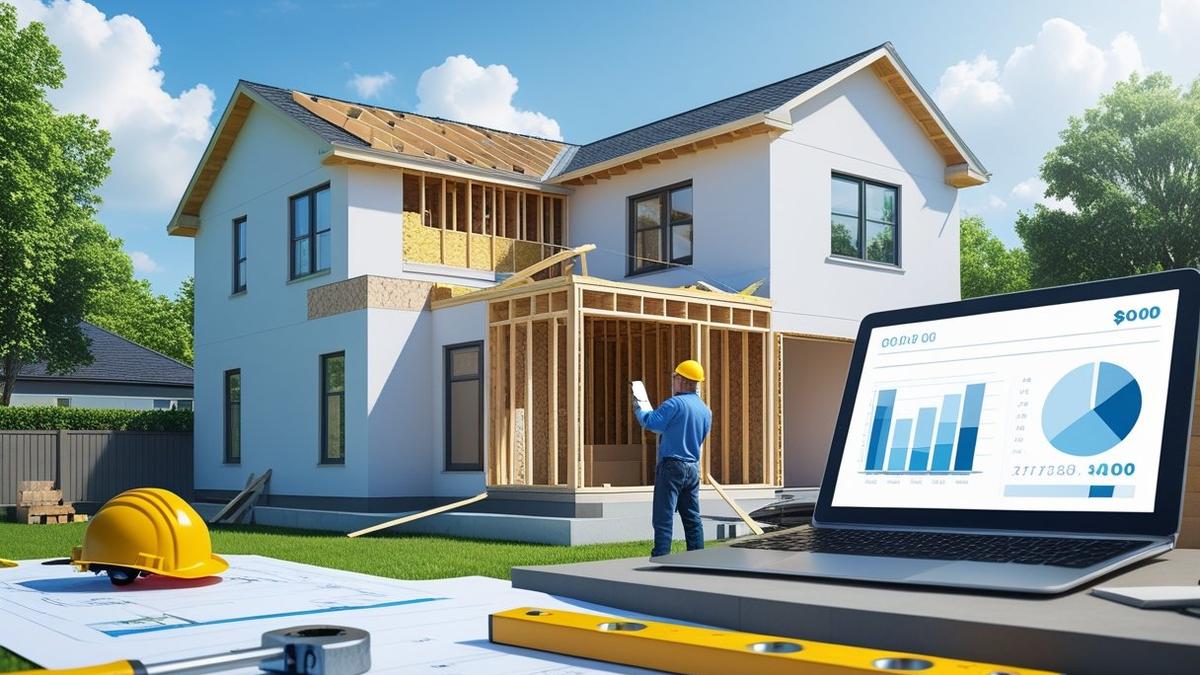
Thinking about a home addition can feel overwhelming, but you can make smart choices that fit your goals and budget. Use a home addition cost calculator to get a fast, realistic estimate based on size, finishes, and local labor rates so you know what to expect before you call contractors. A good cost calculator gives you a clear price range you can use to plan design choices, set a budget, and compare contractor bids.
As you weigh options, bedroom, bathroom, second story, or garage, focus on the big cost drivers: square footage, foundation work, mechanicals, and finish level. Small design choices and the quality of materials can shift your price a lot, so run multiple scenarios in a cost calculator and prioritize the changes that add the most value.
Key Takeaways
- Use a cost calculator to estimate a realistic price range for your addition.
- Prioritize major cost drivers like size, foundation, and finishes.
- Compare multiple scenarios to make smart budgeting and design choices.
Understanding Home Additions
Home additions change how you use space, affect resale value, and vary widely in cost and complexity. Focus on the addition type, building systems affected, and how the new space will meet your day-to-day needs.
Types of Home Additions
You can add space in several common ways: single-room bump-outs, second-story additions, garage conversions, and full wing additions.
- Bump-out: small square footage added to expand a kitchen or create a breakfast nook. Lower cost and shorter build time.
- Single-room addition: a new bedroom, family room, or home office that requires foundation work and roof tie-in. Mid-range cost and moderate disruption.
- Second-story addition: adds significant living area but needs structural upgrades, stair placement, and new HVAC zoning. Higher cost and longer permit timelines.
- Garage or attic conversion: uses existing footprint or shell. Often cheaper because utilities and roofline stay mostly the same. Consider utility runs, foundation type, and local zoning when choosing a type. These factors drive the complexity and final price.
Benefits of Adding Onto Your Home
You gain usable square footage without moving. That can mean a larger kitchen, private suite, or dedicated workspace you’ll use daily. A well-planned addition can increase market value, especially if you add a bedroom or bathroom in a neighborhood where similar homes have higher square footage. You control finishes, layout, and energy-efficiency choices. This lets you update insulation, windows, and HVAC for long-term savings. An addition can also improve livability, fewer compromises, more storage, and better flow between rooms. Plan for how the space will function now and in five years to get the most value.
Common Reasons for Home Expansions
You might expand because your family needs more bedrooms, your lifestyle requires a home office, or you want an open-plan kitchen for entertaining. Growing families often choose additions to avoid moving. Aging-in-place projects add single-level master suites or wider halls for mobility. Investors add kitchens or bathrooms to boost resale value in neighborhoods where square footage sells. That strategy often yields higher per-square-foot returns than cosmetic updates. Other drivers include converting underused space (garage, attic), creating rental units for extra income, or fixing layout problems by adding a connecting room. Match the reason to the least disruptive and most cost-effective addition type.
Home Addition Cost Calculator Explained
A cost calculator breaks down expenses into clear line items so you can set a realistic budget. It helps you compare options, like framing types, finish levels, and permit costs, so you can make choices that fit your site and wallet.
How a Home Addition Cost Calculator Works
A calculator asks for your project basics: square footage, number of rooms, level of finishes, and whether you add plumbing or HVAC. It then multiplies area by local per-square-foot rates and adds unit costs for items such as windows, doors, and roofing.
The tool includes fixed costs too. Expect entries for permits, inspections, and design fees. Some calculators let you add contingency for unexpected issues like structural repairs.
Many calculators let you choose labor preference (owner-build, hire subcontractors, or general contractor). That changes labor multipliers and overhead. For regional accuracy, pick a tool with localized pricing like the Homewyse 2026 estimates for first-floor expansions (https://homewyse.com/project_costs/cost_of_home_addition.html).
Key Factors Impacting Calculations
Square footage drives most of the cost. Larger footprints raise material and labor linearly, while complex shapes or second-story adds increase framing and support costs more than simple additions.
Finish level matters: basic drywall and vinyl flooring cost far less than high-end cabinetry and tile. Plumbing or adding a bathroom raises costs significantly because of pipes, fixtures, and inspection fees.
Site conditions affect excavation, foundation depth, and drainage work. Urban lots with tight access often cost more in labor and equipment. Permits and inspections vary by locality and should be entered into the calculator or added as a separate line item.
Advantages of Using a Calculator
You get faster, clearer budgets without calling multiple contractors. That helps you set a realistic design scope before spending on plans.
Calculators let you test scenarios, change finish level, add a window, or swap slab for crawlspace, and see instant price differences. This guides trade-offs between features and costs.
Using a calculator also helps you spot missing costs like permits, inspections, or contingency. When you meet a contractor, your estimate becomes a better checkpoint for comparing bids.
Essential Cost Considerations
You need to budget for three big areas that drive most of the price: the physical build (materials and labor), the paperwork and inspections, and the work needed to prepare the site. Each area has predictable costs you can estimate and controllable choices that change the final number.
Material and Labor Expenses
Materials and labor usually make up the largest share of your budget. Concrete, lumber, roofing, windows, and insulation are priced per unit; ask contractors for line-item estimates so you can compare costs like cost per square foot for framing or per-window pricing. Higher-grade finishes, hardwood floors, quartz counters, custom cabinetry, raise material totals quickly.
Labor varies by trade and region. Expect differing hourly or per-project rates for framers, electricians, plumbers, and finish carpenters. Ask for a breakdown of hours and hourly rates, and confirm whether subcontractor markups or overtime rates apply. Include a 5-15% contingency for wage or material price changes during the job.
Permits and Fees
Permits protect you and ensure code compliance, but they add fixed costs and time. Typical fees include building permits, electrical and plumbing permits, and inspection fees. Some cities charge plan review fees based on project valuation rather than square footage.
Plan ahead for permit timing; municipal reviews can add weeks and affect contractor scheduling. If you need zoning variances, expect extra application fees and possible survey costs. Also budget for utility hookup fees if you extend water, sewer, gas, or electrical service to the addition.
Site Preparation and Demolition
Site work can change a small addition’s cost by thousands. Start by assessing grading, drainage, and soil condition; poor soil or required retaining walls increase foundation costs. Tree removal, root mitigation, and erosion control are common extras you must pay for before building begins.
Demolition costs depend on what you remove: partial wall removal, old foundation work, or asbestos/lead abatement requires specialists and permits. Get written quotes that separate demolition, disposal, and cleanup fees. Also confirm whether your contractor includes hauling and dump fees or if you must arrange and pay a separate waste removal service.
Types of Home Addition Projects
You will choose a project that adds living space, improves function, or raises home value. Each option has different costs, timelines, and permit needs.
Room Additions
A room addition expands your home’s footprint. Common choices include bedrooms, family rooms, and sunrooms. You will need a new foundation or slab, framing, roofing tie-ins, windows, and exterior finishes to match the existing house.
Plan for electrical, HVAC, and plumbing if you add a bathroom or wet bar. Expect permit requirements and inspections for structural work and utilities. Site prep and matching siding or brick often drive costs more than interior finishes.
Work with a contractor who can share examples of past room additions and local permit experience. You can compare typical scopes and process with professional project pages to set realistic timelines and budgets.
Second Story Additions
Adding a second story increases floor area without reducing yard space. You will deal with load-bearing upgrades, stair placement, roof removal, and new HVAC runs. Structural engineering and framing are key steps.
You must check foundation capacity; sometimes foundation strengthening or new footings are needed. Expect longer timelines and higher costs per square foot than single-story additions because of structural and roofing complexity.
Second-story work often requires temporary living adjustments due to noise and dust. Ask your contractor about sequencing, daytime access, and how they protect interiors during full-roof or structural work.
Garage Conversions
Converting a garage into living space can be one of the fastest ways to add usable rooms. Typical conversions become bedrooms, home offices, or accessory dwelling units. You will need insulation, new floors, wall framing, and often new windows or doors.
Check local zoning and permits, because turning a garage into a legal living space may require parking solutions and utility upgrades. Heating, cooling, and plumbing tie-ins can add to cost if you create a full bathroom or kitchen.
If you want to keep parking, many homeowners combine conversion with a new detached or attached garage build. For design ideas and process examples, review contractor pages on room, second-story, and conversion work for scope and timelines.
Design and Planning Process
Clear decisions about layout, budget, and permits save time and money. You need a practical plan that ties your goals to a buildable design and a realistic timeline.
Working With Architects or Designers
Hire someone with local experience and check past projects similar to your addition. Ask for references, photos, and contact info for at least three recent clients. Confirm the designer knows local code and permit paths so drawings won’t need costly rework.
Agree on scope, deliverables, and fees in writing before work starts. Typical deliverables: schematic plans, construction drawings, and a materials/finish schedule. Ask whether the designer will help with contractor bids and three-way reviews of final costs.
Set communication rules: weekly updates, decision deadlines, and who signs change orders. Insist on a written scope for any extra design work so you avoid surprise charges.
Project Timeline Planning
Map the project in phases: design, permitting, contractor selection, site prep, construction, inspections, and final punch list. Assign a target date to each phase and add contingency, typically 10-20% extra time for permits and weather delays.
Schedule permitting early; many jurisdictions take 4-12 weeks. If you need structural changes or a second story, allow longer for engineering review. Line up contractors while drawings are near final so bids reflect the same scope.
Use a simple Gantt-style list to track tasks and owners. Example:
- Design: 2-6 weeks (you + designer)
- Permits: 4-12 weeks (local agency)
- Construction: 8-20 weeks (contractor) Update the list weekly and lock decisions with signed change orders to keep the timeline steady.
Estimating Your Home Addition Budget
Know the main cost drivers: square footage, foundation work, roof and framing, mechanicals (HVAC, plumbing, electrical), finishes, and local permit fees. Use a calculator to get a quick baseline and then refine estimates with local contractor bids.
Setting Realistic Cost Expectations
Get a baseline cost per square foot for your area and multiply by the planned addition size. For midrange finishes, many calculators and local estimates reflect common pricing; compare at least three local contractor quotes to narrow the range. Include specific items: new foundation or slab, framing, roof tie-in, insulation, windows, doors, new or extended HVAC runs, plumbing rough-in, electrical panel upgrades, drywall, flooring, and fixtures.
Decide finish level early. Basic (paint, laminate floors, simple fixtures) costs far less than high-end (custom cabinets, stone counters, wide-plank hardwood). Also factor in permit and inspection fees from your city, these can be several hundred to several thousand dollars depending on scope.
Use an online home addition cost tool to test scenarios quickly. Try different sizes and finish levels so you can see how each choice changes the total.
Budgeting for Contingencies
Set aside a contingency of 10-20% of the total project cost to cover unknowns. Common surprises include hidden water damage, structural issues, asbestos or lead remediation, and changes required by building inspectors. These can add thousands to your bill, so plan for them before work starts.
Create a short contingency plan listing likely problems and estimated costs. Example line items: hidden structural repair $2,000, $8,000, electrical panel upgrade $1,200, $4,000, permit-related changes $500, $2,000. Keep contingency funds accessible but separate from your main budget to avoid spending them on upgrades.
Communicate contingency rules with your contractor: what triggers use of contingency funds, who approves changes, and how change orders will be documented. This reduces surprises and keeps decisions clear if issues arise.
Cost-Saving Tips for Home Additions
Plan around your budget and prioritize changes that give the most value per dollar. Focus on durable finishes in high-use areas and get clear bids so you know exactly what you’ll pay.
Choosing Cost-Effective Materials
Pick materials that last and cost less over time. For floors, consider engineered hardwood or luxury vinyl plank instead of solid hardwood; both resist moisture and cost less to install. For countertops, choose quartz-look laminate or engineered stone over pricey natural stone if you want durability and a lower price.
Order bulk or contractor-grade items like trim, drywall, and paint through your builder to get trade discounts. Match window sizes to standard openings to avoid custom-frame costs. When possible, reuse or refinish existing cabinets and doors instead of replacing them.
Make a short checklist before buying:
- Prioritize wear surfaces (floors, counters, baths).
- Compare 3 local suppliers for each item.
- Ask for samples and a written warranty.
Hiring Professional Contractors
Hire licensed contractors with clear, written bids. Ask for three bids that break out labor, materials, permits, and allowances so you can compare apples to apples. Verify licensing, insurance, and recent references. Call past clients to ask about schedule, change orders, and clean-up.
Negotiate a fixed-price contract for defined work and a detailed payment schedule tied to milestones. Avoid large upfront payments; hold a final payment until a local building inspector signs off. If you need design help, hire a designer for a flat fee to cut costly plan changes during construction.
Keep communication tight: weekly check-ins, a written log of changes, and signed change orders prevent surprise costs. For quick estimates, use a home addition cost calculator to test budget scenarios before you commit.
Next Steps After Using a Cost Calculator
Use the estimate to set a clear budget range and a short checklist of priorities. Decide the size, finishes, and timeline you can accept before you contact professionals.
Gathering Contractor Quotes
Request at least three written bids that break down labor, materials, permits, and allowances for finishes. Ask each contractor to list line items (foundation, framing, roofing, HVAC tie-in, electrical, plumbing, trim, paint) and note assumptions about site work or demolition.
Give contractors the same documents: dimensioned plans, desired finishes, and your target start date. Schedule site visits so they can confirm measurements and hidden conditions. Check licenses, insurance, and recent references. Compare bids using a simple table: contractor, total, contingency, lead time, warranty, and key exclusions. Don’t pick solely on lowest price; weigh experience, communication, and written warranty.
Finalizing Your Project Plan
Turn the chosen bid into a signed contract that includes scope, payment schedule, milestone inspections, and change-order rules. Specify brand names or quality grades for finishes and appliances to avoid allowance gaps.
Confirm permit responsibility and who orders inspections. Create a short timeline with critical dates: permit approval, demolition, rough trades, inspections, and final walk-through. Include a 10-15% contingency and note how change orders will affect schedule and cost. Keep copies of all permits, warranties, and lien releases in a single folder for easy access.
Conclusion
A home addition can give you more space and add value to your property. Use a cost calculator to set realistic expectations before you contact contractors.
Start by entering size, materials, and location into a calculator. Tools like the Home Addition Cost Calculator from 1000 Calculators let you test different scenarios quickly.
Compare estimates from the calculator with at least two contractor bids. That helps you spot unusually low or high prices and understand trade-offs in materials and labor.
Keep a contingency of 10-20% for unexpected expenses. Permits, site conditions, and design changes often raise costs, so plan for surprises.
Document your choices and costs as you go. Clear records make it easier to track spending and explain decisions to contractors or lenders.
If you need a quick starting point, try several online calculators to see a range of likely costs. Then refine that range with local quotes and a written scope of work.
Frequently Asked Questions
You will find clear cost ranges, key cost drivers, and practical examples for common addition sizes. Expect line-item items like foundation, framing, permits, finishes, and utility work called out where they matter most.
How can I estimate the cost of a home addition?
Start by calculating square footage and multiply by a local cost-per-square-foot rate. Include separate line items for foundation, framing, roofing, windows, HVAC, plumbing, electrical, insulation, finishes, and permits.
Get at least two contractor bids and compare them to a calculator estimate. Use an online tool to check midrange costs for your area before you get bids, such as the Home Add On Example Estimates - 2026 page.
What factors influence the price per square foot for a home addition?
Material quality changes prices a lot. Low-end finishes cost much less than high-end cabinetry, flooring, and fixtures.
Site conditions and foundation type also raise costs. Adding a second story or building over a crawlspace is pricier than a slab-on-grade. Labor rates in your region and permit fees affect the final price too. Complexity of the design, number of windows, and required mechanical work all add cost.
How much can I expect to pay for a 1000 sq ft addition?
Expect a wide range based on finish level and location. A rough midrange estimate is often $100, $300 per sq ft, so a 1,000 sq ft addition could run about $100,000, $300,000 before upgrades.
Your best next step is to enter your zip code and project details into a home addition calculator to get a tailored estimate. Tools like the Home Addition Cost Calculator give breakdowns by foundation, framing, roofing, utilities, finishes, and permits.
What is the average cost for a 20x20 room addition?
A 20x20 room equals 400 sq ft. Using the midrange per‑square‑foot example, you might expect $40,000, $120,000 depending on finishes and systems required.
If the room needs full HVAC, plumbing, or structural changes, budget toward the higher end. Simple single-room adds with basic finishes sit near the lower edge.
What expenses should I anticipate for a 400 sq ft master suite addition?
Plan for framing, roof tie‑in, windows, insulation, drywall, flooring, trim, and paint. Also include bathroom plumbing, fixtures, a closet build‑out, HVAC extension, electrical, and permit fees.
Expect separate costs for site work and foundation. If you need high-end bathroom fixtures or custom closets, those will add significantly to the total.
Are there any online tools or calculators to help with estimating home addition costs?
Yes. Several free calculators let you input size, finish level, and location to get estimates. Try a general cost calculator like House Addition Cost Calculator - Sage Calculator for quick estimates.
Also use detailed guides and calculators that break costs into categories so you can adjust line items and see how choices change the price.