
Kitchen Cabinets: What Interior Designers Don't Tell You About Choosing Them
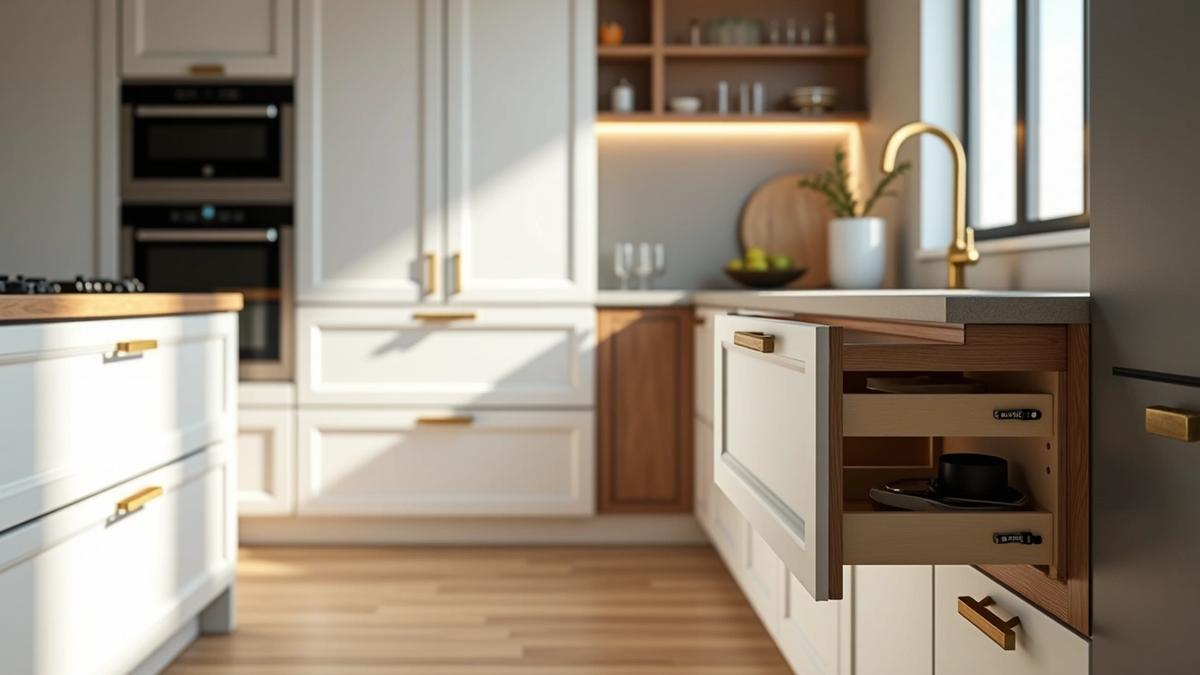
Kitchen cabinets represent the largest investment in most kitchen renovations, yet many homeowners make decisions based on incomplete information. Despite their importance, interior designers often gloss over crucial details that could save you thousands of dollars and years of frustration.
When planning your kitchen, you've likely browsed countless photos of stunning cabinet designs. However, what looks beautiful in a magazine spread might not withstand daily family use. From trendy styles that quickly date to finishes that can't stand up to real-life cooking, there's a significant gap between designer showrooms and practical kitchens.
In fact, many designers have preferred suppliers and standard recommendations that benefit their workflow rather than your specific needs. This guide pulls back the curtain on what designers typically don't tell you, revealing the insider knowledge about cabinet styles, materials, colors, hardware, and budget considerations that will help you make smarter choices for your home.
The Cabinet Styles Designers Rarely Recommend
Beyond the glossy magazine spreads, several cabinet styles that designers frequently recommend come with significant drawbacks. Understanding what professionals might not readily disclose can save you from costly design regrets.
Why Some Styles Are Overused
Designers often gravitate toward certain cabinet styles not because they're ideal for your space, but because they photograph well or follow current trends. The stark all-white kitchen cabinet trend exemplifies this perfectly. While these kitchens look pristine in photographs, they often feel cold and uninviting in real life. Additionally, white cabinets show every fingerprint, scuff, and spill, making maintenance a constant battle for busy households.
Open shelving represents another overused trend. While designers love showcasing perfectly styled open shelves in portfolios, they rarely mention the dust-collecting nightmare they become. Unless you're a professional organizer with endless time for styling, this trend quickly becomes impractical. Cooking oils create sticky residue on displayed items, and everyday containers ruin the esthetic immediately.
Meanwhile, farmhouse-style cabinets dominated design shows and social media feeds for years. The problem isn't farmhouse style itself, but the cookie-cutter approach many homeowners adopted. What felt fresh and charming five years ago now looks dated and predictable.
Hidden Downsides of Trendy Designs
Curved cabinets might catch your eye in showrooms, but designers rarely mention they offer less effective storage and require clearance on both sides and front to open doors, making them particularly problematic in compact spaces.
Inset cabinetry, where doors and drawers sit flush with the cabinet frame, creates a luxurious impression. What designers often omit is that they're significantly more expensive than overlay cabinetry and typically have smaller storage capacity. Furthermore, the precision required for seamless operation means that slight installation issues can result in doors and drawers rubbing where they shouldn't.
High-gloss finishes promised to make small kitchens feel larger by reflecting light. In reality, they deliver glare and show every fingerprint, creating spaces that feel overwhelming rather than spacious. The maintenance required for keeping glossy cabinets pristine is unrealistic for most households.
Cabinet cut-outs featuring decorative shapes might seem like a personalized touch, but designers rarely discuss their permanence. While you may love the design initially, it becomes difficult and expensive to change once you're over it.
What to Consider Instead
Rather than following fleeting trends, focus on cabinet styles that balance esthetics with functionality. Consider these designer-approved alternatives:
- Classic cabinet styles like shaker doors, simple raised panels, or flat-front designs never go out of style because they're based on good proportions and functionality rather than fleeting fashion.
- Warm neutrals or wood finishes instead of stark white. Natural white oak keeps the warmth while offering a more neutral tone that lets countertops, hardware, and backsplashes shine.
- Satin or semi-matte finishes reflect some light without the maintenance headaches of high-gloss options. These finishes hide fingerprints better and create a sophisticated look without overwhelming small spaces.
For those who loved farmhouse style, embrace subtle rustic elements rather than going all-in on the theme. Choose quality wood cabinets with simple shaker-style doors, add vintage-inspired hardware sparingly, and focus on natural materials for a look that won't quickly date.
Ultimately, the key to avoiding outdated cabinet trends is choosing elements you genuinely love rather than following what's trending. The average kitchen remodel costs tens of thousands of dollars, the last thing you want is cabinets that feel dated within a few years.
Color Choices That Can Make or Break Your Kitchen
Color selection for kitchen cabinets extends far beyond personal preference, it fundamentally shapes how you experience your space every day. The right cabinet colors can visually expand your kitchen, create a welcoming atmosphere, and even influence your cooking habits. Equally important, the wrong choices can lead to expensive mistakes and regrets.
The Illusion of Space and Light
Cabinet colors dramatically affect spatial perception. Lighter colors reflect more natural light, making a kitchen feel brighter and more open, particularly beneficial for smaller kitchens or those with limited natural light. This optical trick works because lighter shades visually push walls outward, creating an expansive feeling without structural changes.
Conversely, darker cabinet colors create a cozy, intimate atmosphere. These deeper tones add depth and sophistication but require sufficient lighting to prevent the space from feeling cramped. Rooms blessed with abundant natural light can successfully incorporate darker cabinets without feeling enclosed.
Monochromatic color schemes allow your eye to move freely throughout the space, making a kitchen read larger than its actual dimensions. When walls, countertops, and woodwork share similar tones, visual boundaries blur, expanding the perceived size.
Why Bold Colors Are Riskier Than You Think
Despite their initial appeal, bold cabinet colors come with substantial downsides. Bright red can quickly overwhelm a kitchen, becoming tiresome and outdated. Highly saturated colors often clash with other design elements and are difficult to coordinate long-term.
The financial implications of trendy color choices are significant. Homes with less broadly appealing kitchen colors may see reduced resale value. Since most buyers gravitate toward neutral palettes, going too bold can limit marketability.
High-maintenance finishes present another risk. Glossy dark cabinets show fingerprints and scratches, requiring constant cleaning. Similarly, pure bright white often looks sterile, shows dirt quickly, and creates a cold atmosphere.
How to Test Colors Before Committing
Never select cabinet colors from small swatches in showroom lighting. Color perception varies dramatically under different conditions. To avoid costly mistakes:
- Test in your actual kitchen by painting large swatches or using peel-and-stick samples. Check them throughout the day as lighting changes.
- Consider existing elements such as countertops, flooring, and backsplash materials before finalizing cabinet colors.
- Assess your lighting situation. North-facing kitchens receive cooler light, making warm cabinet tones more inviting.
- Evaluate proportions using the 60-30-10 rule for visual balance.
Artificial lighting also affects color perception. Warm lighting softens colors, while cool lighting enhances contrast and vibrancy.
The Truth About Cabinet Materials and Finishes
Material selection for kitchen cabinets can be more consequential than style or color choices, yet many homeowners make decisions based solely on appearance or price. Understanding the true differences between cabinet materials and finishes is essential for making informed investments.
MDF vs Plywood vs Solid Wood
Medium-density fiberboard offers a smooth, knot-free surface that accepts paint flawlessly. It resists expansion and contraction better than natural wood but is vulnerable to moisture damage.
Plywood provides superior strength and stability due to its layered construction. It resists warping, holds screws well, and performs better in humid environments, though it typically costs more than MDF.
Solid wood cabinets offer natural beauty and long-term durability, often lasting decades. However, they come at a premium price and are more susceptible to environmental changes like humidity.
How Finishes Affect Durability
Finishes play a critical role in cabinet longevity. Catalyzed lacquer and conversion varnish offer exceptional resistance to moisture, heat, and cleaning chemicals. High-quality paint systems protect surfaces while maintaining appearance, while polyurethane finishes work well for stained wood cabinets.
What Designers Often Skip Over
Not all cabinet materials are created equal. Plywood quality depends on ply count, and moisture-resistant MDF performs far better than standard versions. Painted finishes require more maintenance than stained ones, and installation quality can matter as much as the materials themselves.
Hardware and Layout Details That Matter More Than You Think
Small details often determine whether your kitchen cabinets merely look good or actually work well. These considerations significantly affect daily usability.
Handle Placement and Ergonomics
Proper hardware placement improves comfort and accessibility. Lower cabinet handles should be positioned near the top for easy reach, while upper cabinet placement varies by design style. Drawer handles can be centered or placed higher depending on preference and ergonomics.
Why Soft-Close Isn’t Always Standard
Soft-close mechanisms add convenience and reduce wear, but they increase cost and may require more force to open. Quality varies by manufacturer, making hardware selection important.
Corner Cabinets and Dead Space
Corner cabinets often waste space if not designed properly. Solutions include Lazy Susans, pull-out systems, diagonal cabinets, or rethinking corner usage entirely.
The Role of Lighting in Cabinet Design
Integrated cabinet lighting enhances functionality and appearance. Under-cabinet, interior, drawer, and accent lighting improve usability and highlight design details.
Budget Traps and Hidden Costs in Cabinet Projects
Behind every kitchen cabinet quote lurk unexpected expenses that can derail your budget.
Installation Fees and Custom Fitting
Installation costs can add significantly to your total project price. Removal of old cabinets, electrical updates, plumbing adjustments, and wall repairs are often overlooked. A contingency budget helps absorb surprises.
Why Paint Jobs Can Cost More Than New Cabinets
Professional cabinet painting requires extensive prep work, driving up labor costs. In some cases, new ready-to-assemble cabinets are more economical.
The Markup on Designer Hardware
Decorative hardware, moldings, glass inserts, and premium drawer systems can quickly inflate costs, even though many are optional.
How to Avoid Overspending
- Choose simpler door styles
- Use fewer drawers and more doors
- Consider laminate or thermofoil options
- Skip decorative glazes and unnecessary upgrades
Conclusion
Choosing kitchen cabinets represents one of the most significant investments in your home renovation. While trendy styles may be visually appealing, practical considerations determine long-term satisfaction.
Materials, colors, hardware, layout, lighting, and budget planning all play critical roles in creating a kitchen that functions well and ages gracefully. Make decisions based on how you live, not what looks best in a showroom or on social media.
When chosen wisely, your cabinets will serve your family for years while maintaining both beauty and value.
| test | test |
|---|---|
| stet | tet |
test
test