
Contemporary Kitchen Cabinets Design: Sleek Materials, Smart Storage, and Timeless Finishes
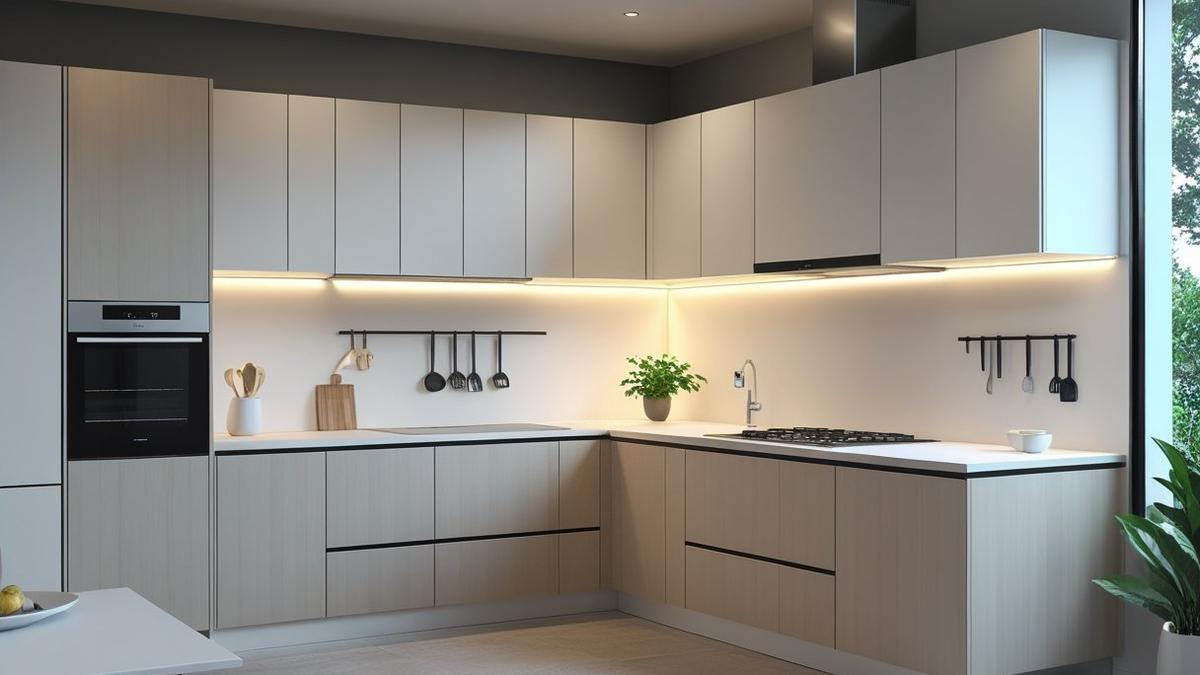
You want cabinets that look clean, work smoothly, and match how you use your kitchen. Contemporary cabinet design gives you flat surfaces, simple hardware or no hardware, smart storage, and modern materials so your kitchen feels open and easy to use. Choose sleek, functional cabinets and you’ll transform your kitchen into a stylish, practical space that fits your routine.
This article shows what to look for and why each choice matters, from door styles and colors to durable surfaces, eco-friendly options, and smart storage ideas. Use these tips to decide on materials, finishes, hardware, and layouts that match your style and make daily life easier.
Key Elements of Contemporary Kitchen Cabinets
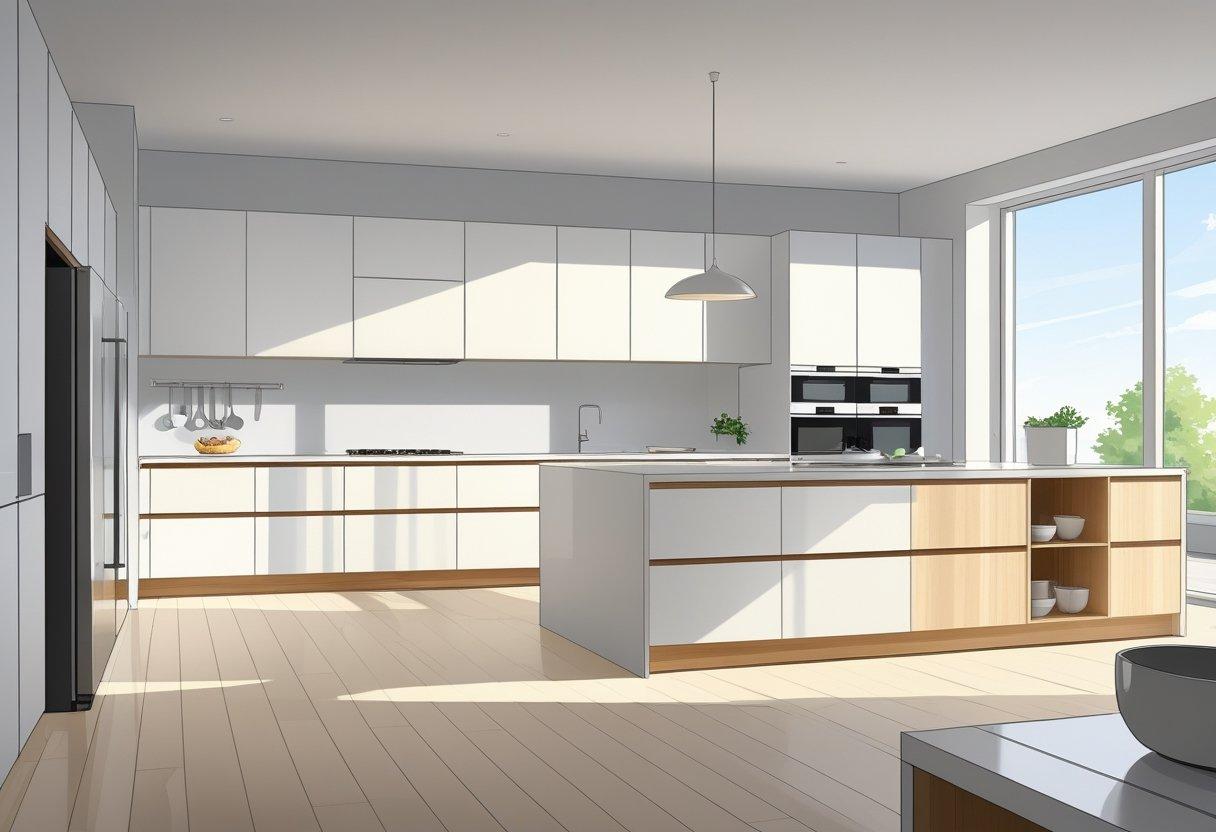
You need cabinets that look simple, store efficiently, and hold up to daily use. Focus on clean shapes, durable materials, a tight color palette, and modern surface treatments for a fresh, lasting kitchen.
Defining Features
Contemporary cabinets use flat-panel or slab doors with no raised trim. This gives you a smooth face that reads as a single plane, which makes the room feel uncluttered. Hardware tends to be minimal: think integrated pulls, slim bar pulls, or push-to-open systems so handles don’t break the lines.
Function matters as much as look. You should plan for full-extension drawers, soft-close hinges, and built-in organizers for utensils, pans, and spices. Many contemporary layouts favor tall pantry units and low, continuous runs of base cabinets to keep counters clear and work zones efficient.
Material Selection
Choose materials that resist moisture and scratches while keeping a refined look. Medium-density fiberboard (MDF) with a durable laminate or painted finish gives you smooth panels at a lower cost. Natural wood veneers offer warmth but pick stable species like maple or engineered veneer to avoid warping.
Metals and glass work well for accents. Stainless-steel toe kicks, aluminum frames, or frosted glass inserts add texture without ornate detail. For wet zones, consider PVC-wrapped or thermally fused laminate fronts that stand up to steam and frequent cleaning.
Color Schemes
Stick to a narrow palette to maintain that calm, contemporary feel. Neutral bases like white, warm gray, or deep charcoal work well for large runs of cabinets. Use a single bold color, navy, forest green, or matte black, on an island or tall unit to add focus without clutter.
Balance color with finishes and hardware. Lighter cabinet colors reflect light for smaller kitchens, while darker shades anchor open-plan spaces. Match cabinet tones with countertop and backsplash samples to verify contrast and harmony before you commit.
Innovative Finishes
Select finishes that combine style with easy care. Matte lacquer hides fingerprints better than high gloss, but high-gloss lacquer or acrylic gives a reflective surface that brightens a room. Textured laminates mimic wood grain and resist scratches, giving you a tactile look without heavy maintenance.
Consider protective coatings like anti-fingerprint or UV-stable paints for kitchens with lots of natural light. Mixed finishes, matte doors with a glossy island or metal toe-kicks, add visual interest while keeping the overall feel restrained.
Popular Styles in Contemporary Kitchen Cabinets
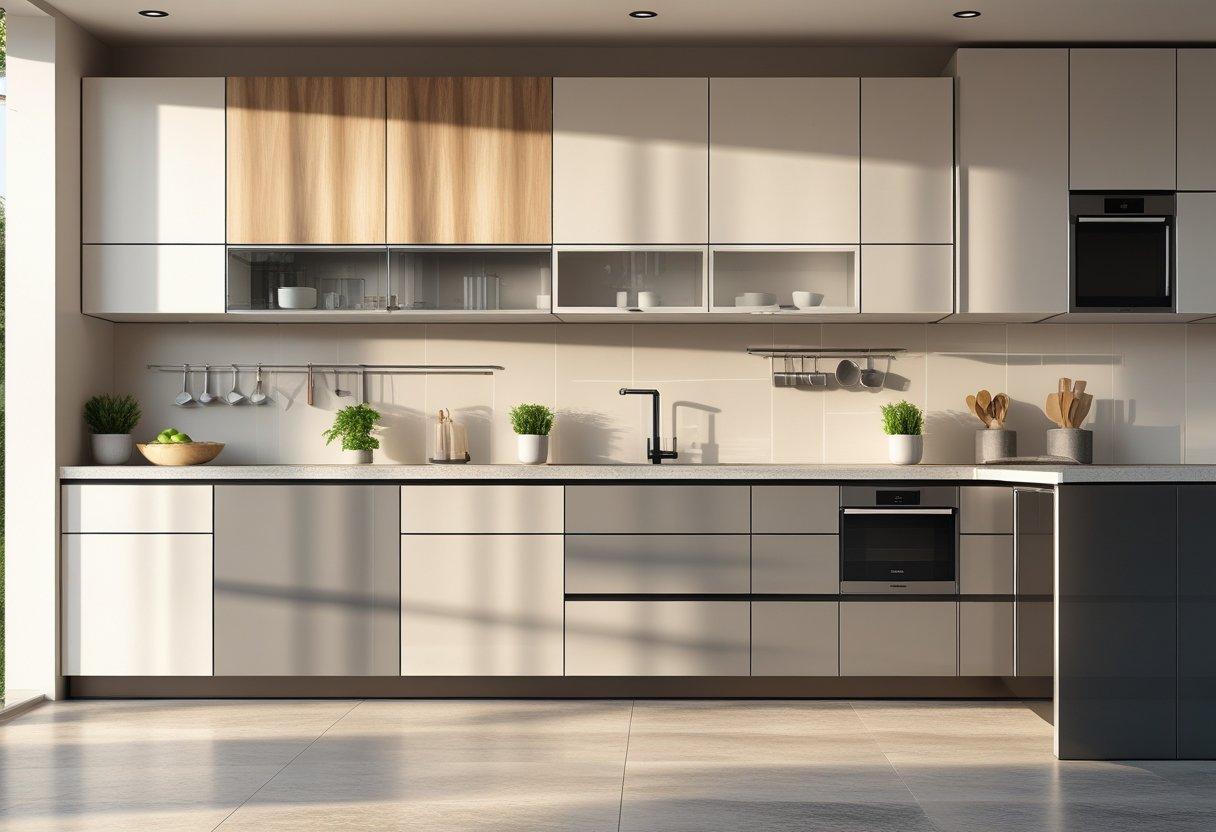
You’ll find clean silhouettes, smart hardware choices, and smooth finishes that fit both modern and classic homes. These styles emphasize simple lines, practical storage, and materials that age well.
Minimalist Designs
Minimalist cabinets cut visual clutter. You get flat surfaces, few visible seams, and muted colors like soft gray, warm white, or charcoal. This makes the room feel larger and keeps attention on key elements, such as a stone countertop or a statement light fixture.
Focus on function: deep drawers for pots, pull-out pantry shelves, and built-in recycling bins keep items organized and out of sight. Use durable, low-maintenance materials, matte laminate or painted MDF, to resist stains and wear. Add under-cabinet lighting and a continuous backsplash to reinforce the streamlined look.
When choosing finishes, pick tones that match your countertops and flooring. A subtle contrast between upper and lower cabinets can add depth without breaking the minimalist rule.
Handleless Cabinets
Handleless cabinets remove knobs and pulls for a sleek, uninterrupted surface. You can choose recessed finger pulls, integrated rails, or push-to-open hardware depending on budget and tactile preference. Each option keeps the facade smooth while providing reliable access.
These cabinets work well in kitchens with an island or long run of cabinetry because they create a calm, uniform field. They also simplify cleaning, no hardware edges to trap grease. Note that push-to-open systems require periodic adjustment and may cost more than traditional pulls.
For safety, especially in homes with children, choose soft-close mechanisms and rounded edge profiles. Pair handleless doors with a textured finish or subtle grain to add visual interest without losing the modern feel.
Slab Door Styles
Slab doors are flat, single-piece faces with no panels or rails. They deliver a bold, contemporary look and pair easily with mixed materials like wood veneer, lacquer, or painted MDF. Slab doors suit both small galley kitchens and large open plans.
They highlight material choices: a high-gloss lacquer reflects light and enlarges the space, while a wood veneer adds warmth and hides fingerprints. Slab cabinets also allow for inlayed accents, such as thin metal trims or inset glass, to personalize the scheme.
Install slab doors with concealed hinges and full-extension drawers to maximize access. If you want a two-tone effect, consider darker bases with lighter uppers to ground the room while keeping the upper sightlines bright.
Modern Materials and Surfaces
Choose materials that match how you use the kitchen and the look you want. Consider durability, maintenance, and how each surface reacts to heat, moisture, and daily wear.
High-Gloss Laminates
High-gloss laminates give cabinets a shiny, modern look and reflect light to make small kitchens feel larger. They resist stains and are easy to wipe clean, which helps if you cook often or have children. Pick edge-banded panels to avoid visible seams, and look for UV-stable finishes so the sheen won’t yellow in sunlit areas.
Keep in mind that glossy surfaces show fingerprints and scratches more than matte finishes. Use microfiber cloths and non-abrasive cleaners to protect the shine. For high-traffic zones, choose thicker laminate or acrylic-backed options to improve scratch resistance.
Colors range from bright whites to bold jewel tones, so you can create contrast with matte countertops or wood accents. High-gloss works well on flat-front doors and minimalist hardware.
Natural Wood Finishes
Natural wood adds warmth and texture to contemporary kitchens while remaining timeless. Select species like oak, walnut, or maple for visible grain and durability. Veneer cabinets give a real-wood look with less cost and better stability than solid wood.
Finish type matters: matte oil finishes bring out grain and hide fingerprints, while clear lacquers offer harder protection against spills and heat. In wet areas pick engineered wood cores with a sealed finish to prevent warping.
Match grain direction across doors and drawers for a clean, professional appearance. Pair wood with simple hardware and neutral countertops to keep the focus on texture rather than ornament.
Engineered Surfaces
Engineered surfaces include quartz, solid-surface (e.g., Corian), and high-pressure laminates used on cabinet faces or countertops. Quartz is non-porous and resists stains and heat, making it practical for both counters and some cabinet cladding. It keeps color consistency across slabs and panels.
Solid-surface materials can be thermoformed into seamless backsplashes and integrated sinks, reducing joints where dirt can collect. High-pressure laminates offer a wide palette and excellent moisture resistance at lower cost.
Consider repairability: solid surface can be sanded to remove scratches, while quartz chips are harder to repair. For cabinet cladding, ensure proper substrate and adhesive to prevent delamination in humid kitchens.
Functional Innovations
These features make cabinets quieter, brighter, and easier to use. They focus on daily tasks: closing drawers, seeing inside, and storing items so you can work faster and cleaner.
Soft-Close Mechanisms
Soft-close hinges and drawer slides stop slamming and reduce wear on cabinet boxes. You’ll notice a controlled, quiet motion when you close doors or drawers, which helps fragile items like glassware stay safer.
Choose concealed soft-close hinges for frameless cabinets and under-mount soft-close slides for drawers. Look for load ratings that match heavy drawers (usually 100-150 lb for full-extension slides). Soft-close kits also exist as retrofit options if you’re updating older cabinets.
Maintenance is low. Check pivot points and clean tracks yearly to prevent grit from slowing the mechanism. If a soft-close action weakens, replacements are inexpensive and simple to swap without replacing the whole cabinet.
Integrated Lighting
Integrated lighting improves visibility and highlights workspace areas. You can add LED strip lights under upper cabinets, inside tall pantry cabinets, or along toe kicks to make cabinets both functional and attractive.
Plan lighting in layers: task lighting under cabinets for counters, inside-cabinet lighting for shelves, and accent lighting for open displays. Choose warm white (2700-3000K) for a cozy look or neutral white (3500-4000K) for food prep. Dimmable LEDs give flexibility for mood and energy savings.
Power options include hardwired circuits, plug-in drivers hidden at the top of cabinets, or battery-powered puck lights for retrofit jobs. Use motion or door sensors for inside-cabinet lights so they only run when needed, extending bulb life and reducing energy use.
Smart Storage Solutions
Smart storage turns wasted space into usable spots and keeps items visible and reachable. You’ll benefit from pull-out pantries, vertical dividers for baking sheets, and deep drawers with adjustable inserts for pots and pans.
Consider mixing full-extension pull-outs for spices and canned goods with corner pull-out systems to access blind corners. Use soft organizers: adjustable pegboards in drawers for plates, and shallow tray inserts for utensils. For recycling, fit separate pull-out bins sized to fit your local trash bags.
Plan storage by task zones: cooking items near the stove, prep tools by the main counter, and cleaning supplies under the sink with a pull-out waste bin. Measure appliance sizes and container heights before ordering inserts to ensure a precise fit.
Color Trends in Contemporary Cabinets
You’ll find two main directions: warm neutral woods and earthy paints, or strong single-color accents for focal points. Both aim to add warmth and personality while keeping clean, modern lines.
Neutral Tones
Neutral cabinets now favor warmer, nature-driven shades over cool white. Think mushroom, taupe, and soft greige paired with walnut or white oak veneers. These choices hide wear better than pure white and create a calm backdrop for mixed materials like stone countertops and matte black hardware.
Use stained wood on lower runs and painted neutrals on uppers to add depth without clutter. Textured finishes, light wire-brushing or matte lacquers, keep neutrals from feeling flat. For lighting, choose warm LED (2700-3000K) to show true undertones and avoid harsh blue cast.
Bold Accent Colors
Bold colors act as focal points on islands, pantry doors, or a single wall of cabinets. Popular picks include olive and forest greens, inky navy, and terracotta. These tones work well in matte finishes and pair strongly with brass or black hardware.
Limit bold color to one or two elements to prevent visual overload. Balance vibrant cabinets with neutral counters and open shelving to maintain a modern look. For small kitchens, use bold color on lower cabinets only to anchor the room without shrinking the space.
Sustainable and Eco-Friendly Choices
Choose materials and finishes that cut waste and indoor toxins while matching your kitchen’s look and budget. Focus on durable recycled options and low-VOC coatings to protect indoor air and reduce long-term maintenance.
Recycled Materials
Recycled cabinet options include engineered panels with post-consumer wood fiber, reclaimed hardwood fronts, and metal frames made from recycled steel. These materials lower landfill waste and often cost less than new solid wood. Look for panels that use at least 50% post-consumer content and documented chain-of-custody to verify claims.
Reclaimed wood offers unique grain and color, but inspect for structural soundness and pests before buying. Recycled metal and aluminum provide a sleek, modern finish and resist warping in humid kitchens. Ask suppliers for product data sheets that list recycled content, durability ratings, and recommended care.
Use sustainable hardware like reclaimed-brass pulls or stainless-steel hinges certified for durability. When budgeting, factor in potential refinishing or sealing costs for reclaimed surfaces to keep them water- and stain-resistant.
Low-VOC Finishes
Low-VOC (volatile organic compound) paints and stains cut harmful fumes that affect indoor air quality. Choose coatings labeled “low-VOC” or “zero-VOC” and verify third-party certification such as Greenguard or Green Seal for credible testing.
Water-based polyurethane and shellac alternatives dry faster and yellow less than oil-based finishes. Apply finishes in thin coats and follow manufacturer dry times to get full cure and durability. For open shelving or cabinets near cooking zones, pick finishes rated for heat and moisture resistance.
Always ventilate during application and for 48-72 hours after installation. Keep product technical sheets and safety data sheets (SDS) for reference on safe handling, cure times, and long-term off-gassing.
Customization and Personalization
You decide how your cabinets look and work. Choose frameless units for a sleek, modern face or inset doors for a clean, tailored appearance that still feels contemporary.
Think about storage that fits your life. Pull-out pantries, deep drawers for pots, and built-in spice racks keep everyday items within reach and reduce countertop clutter.
Mix materials and finishes to make the space yours. Combine matte cabinets with wood accents or glass fronts to add warmth and visual interest without overwhelming the room.
Consider smart features that match your routine. Soft-close hinges, LED under-cabinet lighting, and charging stations add convenience and can be hidden to keep lines simple.
Use this quick checklist when planning:
- Measure your needs: what you store and how often you use it.
- Prioritize function: zones for prep, cooking, and cleanup.
- Pick finishes that age well with your style and maintenance ability.
You can also personalize small details. Hardware, toe-kick lighting, and interior organizers let you keep a minimalist look while tailoring performance to your habits.
Design Tips for Contemporary Kitchens
Keep sightlines clean, prioritize work zones, and mix open shelving with closed cabinets to balance display and clutter. Focus on cabinet placement, storage types, and hardware that support daily tasks and a modern look.
Optimizing Cabinet Layout
Place cabinets to support the cook triangle: fridge, sink, and range should sit within short, direct paths. Use deep base cabinets (24-30 inches) for pots and pans and 12-15 inch upper cabinets for plates and glasses. Include at least one full-height pantry or tall cabinet for bulk storage and small appliances.
Add pull-out drawers in lower cabinets for easier access to heavy items. Use corner solutions like pull-out trays or a lazy Susan to avoid dead space. Keep frequently used utensils and spices within 18-24 inches of the range to speed cooking.
Choose handle styles that match your finish, recessed pulls or slim bar pulls keep a streamlined look. Plan for under-cabinet lighting to improve task visibility on counters.
Blending Open and Closed Storage
Use open shelving to display everyday dishes, cookbooks, or a few decorative items. Limit open shelves to one or two runs so you don’t create visual clutter. Keep the shelves shallow (10-12 inches) so items stay neat and accessible.
Reserve closed cabinets for messy or irregular items: food containers, cleaning supplies, and small appliances. Use opaque doors or frosted glass on some uppers to hide clutter while still softening the visual weight.
Mix materials, wood grain lower cabinets with painted or lacquered uppers, to ground the space. Balance colors: a neutral base cabinet and a bold open-shelf backdrop create contrast without overwhelming the room.
Maintenance and Durability
Choose materials that stand up to daily use. Solid wood and high-quality plywood resist warping better than particleboard, while thermofoil and laminate offer easy cleaning and good scratch resistance.
Wipe spills quickly to avoid stains and moisture damage. Use a soft cloth and mild cleaner; avoid harsh chemicals and abrasive pads that strip finishes.
Hinges, drawer slides, and hardware need occasional checks. Tighten screws, lubricate metal parts, and replace worn soft-close mechanisms to keep doors aligned and operating smoothly.
Consider finishes and edge details when planning for long life. Matte finishes hide fingerprints, while rounded edges reduce chipping on busy cabinet fronts.
Use these simple care steps regularly:
- Clean with mild soap and water.
- Dry surfaces after cleaning.
- Avoid direct heat and prolonged sun exposure.
- Use cutting boards and trivets to protect surfaces.
If you want low-maintenance options, choose flat-pack or modular cabinet systems with durable veneers. They are easier to repair or replace and often use tougher, factory-applied finishes.
Keep a small toolbox and spare hardware on hand. Quick fixes prevent small issues from becoming costly repairs, and regular upkeep extends the life of your cabinets.